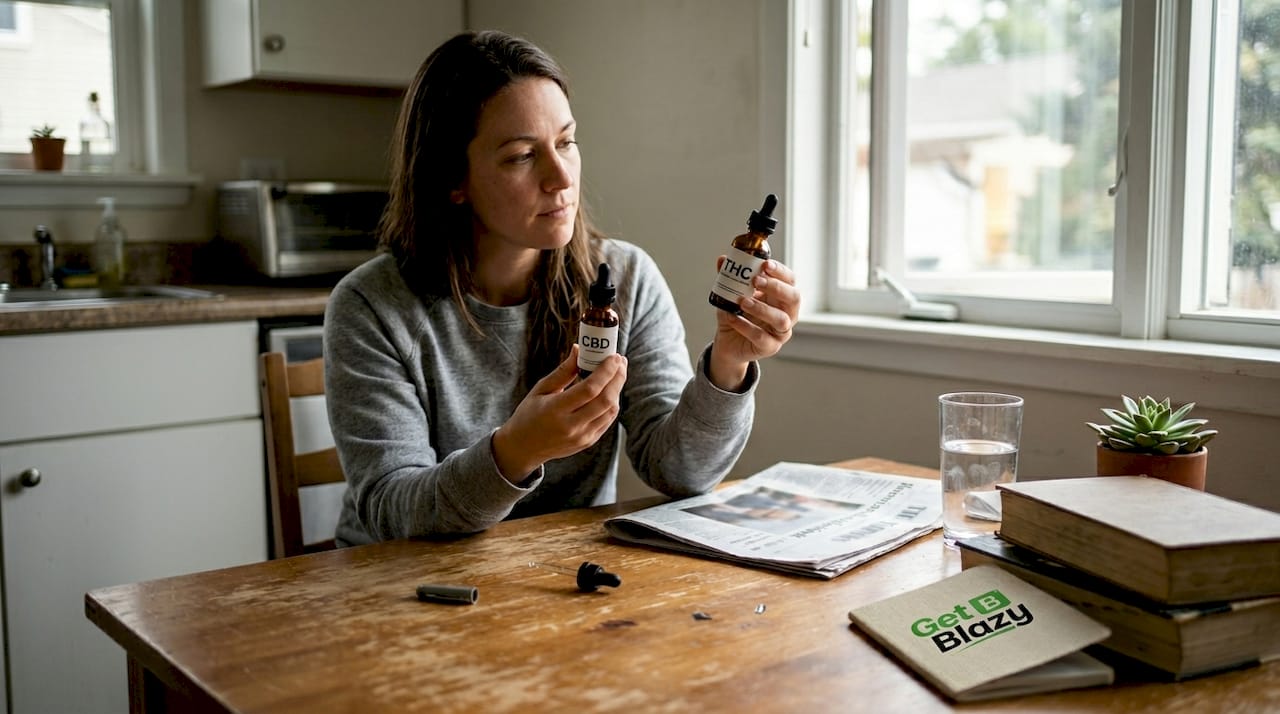
Cannabis products have exploded in popularity across Miami, but confusion still surrounds two of the plant’s most prominent compounds. Many people assume CBD and THC are interchangeable or produce similar effects, leading to poor product choices and unexpected experiences. Understanding the distinct properties, benefits, and risks of each compound empowers you to make informed decisions aligned with your wellness or recreational goals. This guide breaks down how CBD and THC work differently in your body, their unique applications, potential side effects, and practical tips for choosing the right products in Miami’s growing cannabis marketplace.
Table of Contents
- Key takeaways
- How CBD and THC work differently in the body
- Comparing wellness benefits and risks of CBD vs THC
- Nuances, risks, and psychoactive effects to consider
- Practical guide to choosing and using CBD and THC products
- Explore CBD and THC products in Miami with Get Blazy
- Frequently asked questions
Key Takeaways
| Point | Details |
|---|---|
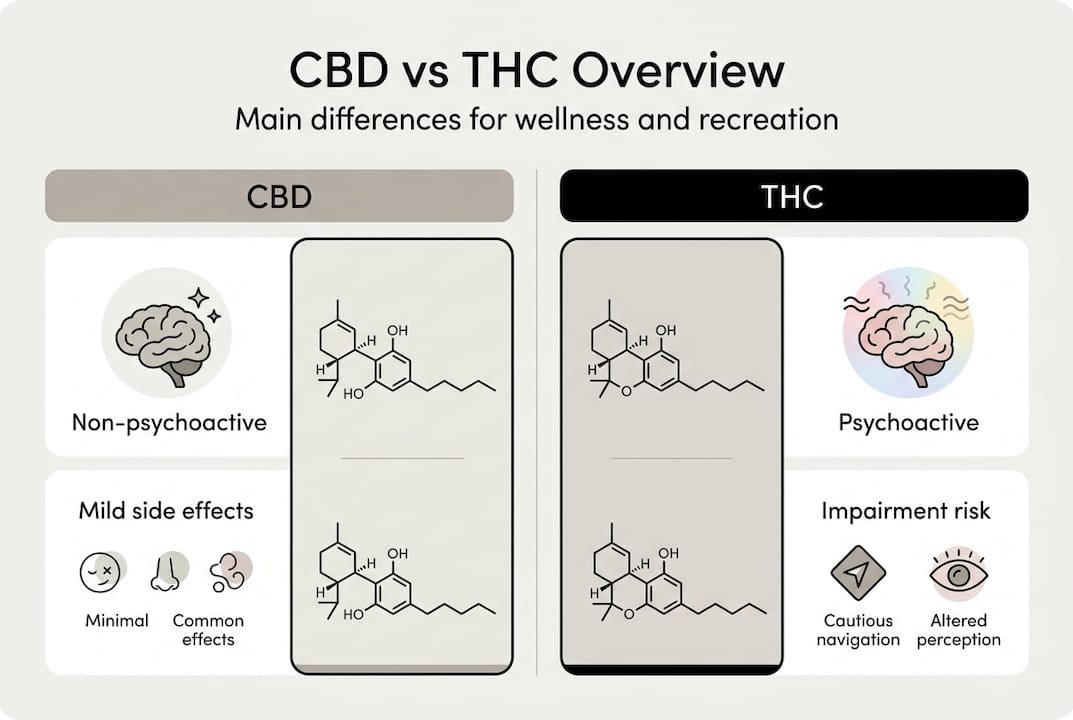
| Mechanism differences | THC activates CB1 receptors in the brain to produce psychoactive effects, while CBD modulates multiple receptors indirectly and does not cause intoxication. |
| Impairment timing | CBD can be used during the day without impairment, whereas THC requires mindful timing and dosage to avoid unwanted psychoactive effects. |
| Drug interaction caution | CBD inhibits certain liver enzymes, potentially raising blood levels of some medications, a risk not shared to the same extent by THC. |
| Wellness applications and limits | CBD is explored for anxiety, sleep, and inflammation with mixed evidence, while THC shows stronger support for pain relief, appetite stimulation, and nausea reduction. |
How CBD and THC work differently in the body
The fundamental difference between CBD and THC lies in how each molecule interacts with your endocannabinoid system. THC binds directly to CB1 receptors concentrated in your brain and central nervous system, triggering the psychoactive effects commonly associated with marijuana use. This direct receptor activation explains why THC produces euphoria, altered perception, and the characteristic high that recreational users seek.
CBD takes a completely different approach. Rather than binding strongly to cannabinoid receptors, CBD modulates serotonin, TRPV1, GPRs, ion channels, and inhibits CYP enzymes through broader polypharmacology. This means CBD influences multiple biological pathways simultaneously without causing intoxication. The compound’s indirect action on various receptor systems creates therapeutic potential for anxiety, inflammation, and seizures while avoiding the psychoactive complications of THC.
The enzyme inhibition property of CBD carries important implications. By blocking certain drug metabolizing enzymes in your liver, CBD can alter how your body processes medications, potentially increasing their concentration in your bloodstream. This interaction risk doesn’t exist with THC to the same degree, making CBD a compound that requires careful consideration if you take prescription medications.
These molecular differences explain why you can use CBD throughout your day without impairment while THC demands timing and dosage awareness. The non-intoxicating nature of CBD makes it suitable for workplace wellness routines, while THC remains primarily recreational or for evening therapeutic use when psychoactive effects won’t interfere with responsibilities.
Pro Tip: If you’re new to cannabis compounds, start with CBD-only products to understand how your body responds to cannabinoids before introducing THC’s psychoactive dimension.
Key mechanism differences:
- THC creates intoxication through direct CB1 receptor activation in brain regions controlling pleasure, memory, and coordination
- CBD works indirectly across multiple receptor types, offering therapeutic benefits without mental impairment
- CBD’s enzyme inhibition can increase blood levels of certain medications, requiring medical consultation
- The broader pharmacology of CBD provides more diverse wellness applications but also more complex drug interactions
Comparing wellness benefits and risks of CBD vs THC
When evaluating therapeutic applications, CBD and THC serve distinctly different wellness needs. CBD has gained popularity for managing anxiety, promoting better sleep quality, and reducing inflammation throughout the body. However, CBD for anxiety, sleep, and inflammation shows mixed evidence in clinical research, with some studies demonstrating clear benefits while others find minimal advantages over placebo. The inconsistency stems partly from dosage variations, product quality differences, and individual biological responses.
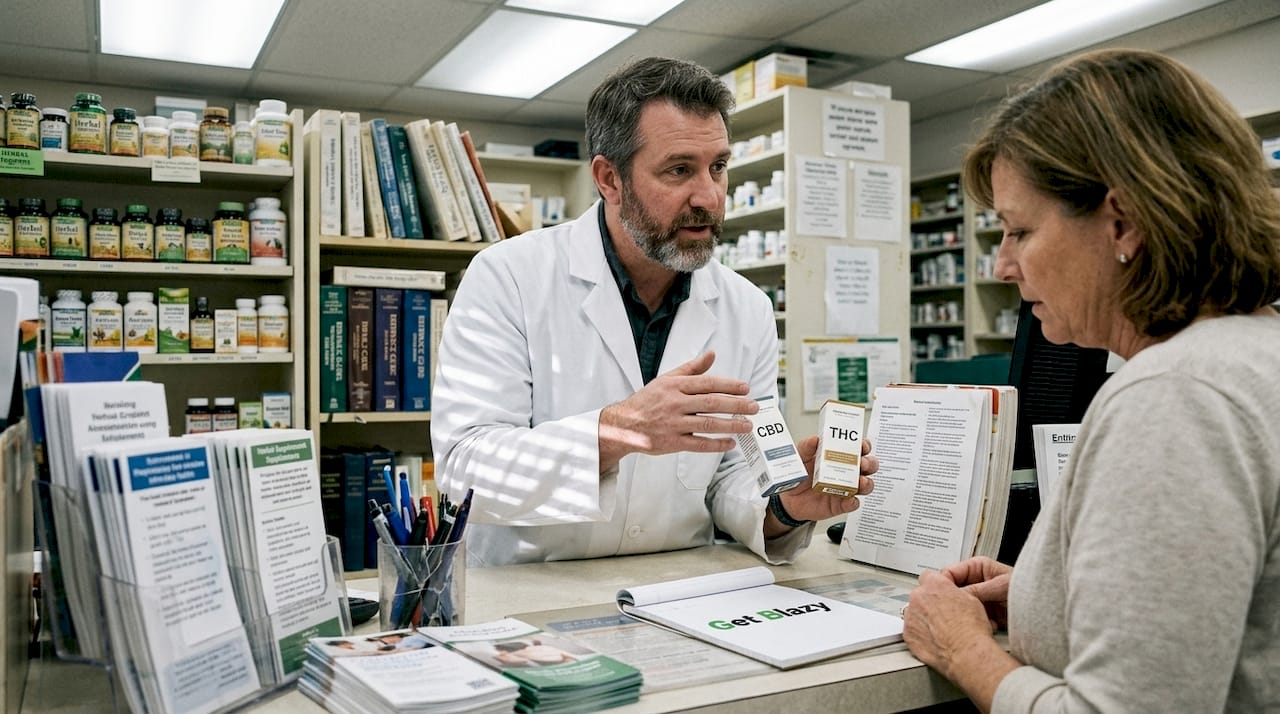
THC demonstrates stronger evidence for specific medical applications. Pain relief stands as THC’s most validated therapeutic use, particularly for chronic pain conditions that resist conventional treatments. The compound also effectively stimulates appetite in patients experiencing wasting syndromes and reduces nausea in chemotherapy recipients. These benefits come with the trade-off of psychoactive effects that some patients find therapeutic while others consider burdensome.
Combining both compounds creates an interesting middle ground. Combinations using 1:1 THC:CBD ratios show small pain benefits compared to either compound alone, but this approach increases toxicity risks. The balanced ratio may reduce THC’s psychoactive intensity while maintaining pain relief, though individual responses vary widely. Some users report the combination provides optimal symptom management, while others experience amplified side effects.
| Wellness goal | Best compound | Evidence strength | Key considerations |
|---|---|---|---|
| Anxiety reduction | CBD | Moderate | Non-intoxicating but may interact with medications |
| Chronic pain | THC or combination | Strong for THC | Psychoactive effects limit daytime use |
| Sleep improvement | CBD or low-dose THC | Mixed | CBD non-sedating, THC may cause next-day grogginess |
| Inflammation | CBD | Moderate | Topical application may work better than oral |
| Appetite stimulation | THC | Strong | Predictable effect but requires tolerance management |
Side effect profiles differ significantly between compounds. CBD typically produces mild effects like drowsiness, dry mouth, or digestive changes. THC carries greater risk of anxiety, paranoia, impaired coordination, and short-term memory disruption, especially in novice users or at higher doses. Long-term THC use may affect motivation and cognitive function in some individuals, concerns that don’t apply to CBD.
Pro Tip: Match your compound choice to your lifestyle constraints. If you need clear-headed functionality, CBD offers wellness support without impairment. Reserve THC for times when psychoactive effects won’t compromise safety or productivity.
Choosing based on your wellness priorities:
- Select CBD for daytime anxiety management, workplace-compatible inflammation relief, or medication-free sleep support
- Choose THC when pain severity outweighs concerns about intoxication or when appetite stimulation is medically necessary
- Consider balanced combinations only after establishing tolerance to each compound individually
- Monitor your response over several weeks, as cannabinoid effects often require consistent use to fully manifest
Nuances, risks, and psychoactive effects to consider
The psychoactive dimension of THC represents its most significant risk factor. First-time users often underestimate THC’s potency, leading to overwhelming experiences marked by anxiety, disorientation, or panic. These reactions occur more frequently with edible products, where delayed onset causes users to consume additional doses before the initial amount takes effect. The resulting excessive blood levels can produce hours of uncomfortable intoxication that, while not medically dangerous in healthy adults, creates psychological distress.
CBD’s drug interaction potential demands equal attention despite its non-intoxicating profile. CBD’s polypharmacology offers broad wellness potential but drug interactions remain critical, particularly for medications metabolized through cytochrome P450 enzymes. Blood thinners, anti-seizure medications, and certain antidepressants may reach dangerous concentrations when combined with CBD. This interaction risk means you should never start CBD without consulting your healthcare provider if you take prescription medications.
Product quality variations introduce another layer of complexity. Miami’s cannabis market includes both rigorously tested dispensary products and unregulated items of questionable purity. Contaminated or mislabeled products may contain unexpected THC levels, synthetic cannabinoids, or harmful additives. Third-party lab testing certificates provide the only reliable verification of product contents and safety.
“CBD’s polypharmacology offers broad wellness potential but drug interactions remain critical; THC psychoactive risks are higher for novices and high doses.” Understanding these nuances separates safe, effective cannabis use from problematic experiences.
Legal considerations add practical constraints. While hemp-derived CBD containing less than 0.3% THC remains federally legal, marijuana-derived products with higher THC levels exist in legal gray areas depending on state and local regulations. Miami residents should verify current laws before purchasing, as enforcement priorities and product availability shift with regulatory changes.
Critical safety factors:
- Start with the lowest available THC dose, typically 2.5 to 5 milligrams, and wait at least two hours before considering additional consumption
- Inform your doctor about CBD use before starting new medications or if you experience unexpected side effects from existing prescriptions
- Purchase only from licensed dispensaries or retailers providing third-party lab certificates verifying cannabinoid content and purity
- Avoid driving or operating machinery for at least six hours after THC consumption, longer for edible products
- Store all cannabis products securely away from children and pets, as accidental ingestion can cause serious medical emergencies
Practical guide to choosing and using CBD and THC products
Selecting the right cannabis product starts with honest assessment of your goals. Are you seeking relief from a specific symptom, general wellness support, or recreational enjoyment? Your answer determines whether CBD, THC, or a combination makes sense. Someone managing work-related stress without wanting intoxication should choose CBD tinctures or capsules. A person with chronic pain willing to accept psychoactive effects might benefit from THC-dominant products or balanced ratios.
Step-by-step product selection process:
- Define your primary goal: symptom relief, wellness enhancement, or recreational use
- Assess your tolerance for psychoactive effects and lifestyle constraints around impairment
- Review your current medications with a healthcare provider to identify potential CBD interactions
- Choose your preferred delivery method: oils for precise dosing, edibles for convenience, vapes for rapid onset, or topicals for localized effects
- Start with low-potency products, typically 10 to 25 milligrams CBD or 2.5 to 5 milligrams THC per dose
- Track your experiences in a journal, noting dosage, timing, effects, and any side effects
- Adjust gradually, increasing by small increments every three to seven days until you find your optimal dose
Dosing strategy matters enormously for both safety and effectiveness. The principle of start low and go slow prevents overwhelming experiences while helping you identify your minimum effective dose. CBD users typically begin with 10 to 20 milligrams daily, potentially increasing to 50 or even 100 milligrams based on response. THC requires more caution, with 2.5 milligrams representing a reasonable starting point for most adults.
Empirical data shows mixed results, with THC:CBD helping some pain but often performing no better than placebo for other symptoms. This inconsistency reinforces the importance of personal experimentation under controlled conditions. What works remarkably well for your friend may produce minimal benefits or unwanted effects for you.
Product formats offer distinct advantages. Tinctures and oils provide the most precise dosing control and relatively quick onset when held under your tongue. Edibles offer convenience and long-lasting effects but unpredictable absorption rates. Vape products deliver the fastest onset, useful for acute symptom management, though lung health concerns make them less ideal for daily use. Topical creams and balms work well for localized pain or skin conditions without entering your bloodstream.
Miami residents benefit from choosing local suppliers who understand regional preferences and maintain consistent product quality. Reputable dispensaries provide staff education about product differences, dosing guidance, and transparent information about sourcing and testing. Building a relationship with knowledgeable retailers helps you navigate the expanding product landscape as your needs evolve.
Explore CBD and THC products in Miami with Get Blazy
Now that you understand the key differences between CBD and THC, finding quality products becomes your next step. Get Blazy’s Miami cannabis marketplace connects you with premium hemp-derived CBD products and a curated selection of wellness essentials designed for both therapeutic and recreational goals. Our Biscayne Boulevard location offers personalized guidance to help you select products matching your specific needs and experience level.
Every product in our inventory undergoes rigorous lab testing to verify purity, potency, and compliance with safety standards. Whether you’re exploring CBD tinctures for daily wellness support or seeking balanced THC:CBD formulations for targeted relief, our knowledgeable team provides the education you need to make confident choices. Shop in-store for hands-on product consultations or order online for fast, discreet delivery throughout Miami.
Frequently asked questions
What are the main differences between CBD and THC?
CBD is non-psychoactive and won’t produce a high, while THC creates the intoxicating effects associated with marijuana use. They interact with your body’s cannabinoid system through different mechanisms, with THC binding directly to brain receptors and CBD working indirectly across multiple biological pathways. These molecular differences explain why CBD suits daytime wellness routines while THC requires more careful timing and dosage consideration.
Can CBD get you high like THC?
CBD does not cause psychoactive effects or produce a high regardless of dosage. The compound lacks the receptor binding pattern necessary to create intoxication, making it safe for use during work, driving, or other activities requiring mental clarity. THC remains the only major cannabis compound responsible for the euphoric, mind-altering experiences people associate with marijuana consumption.
Are there risks when combining CBD and THC?
Combining CBD and THC in balanced ratios may enhance pain relief for some users, with 1:1 THC:CBD combinations showing small benefits in clinical studies. However, this approach increases the risk of side effects compared to using either compound alone. Careful dosing becomes essential when combining cannabinoids, starting with minimal amounts of each and increasing gradually while monitoring your response closely.
How should a beginner choose between CBD and THC products?
Beginners should start with CBD-only products to understand how cannabinoids affect their body without risking psychoactive complications. Consider your wellness goals honestly: non-intoxicating symptom relief points toward CBD, while willingness to experience altered mental states opens THC options. Always consult healthcare professionals before starting either compound if you take prescription medications, as CBD particularly can interact with common drugs through enzyme inhibition. Start with the lowest available doses and increase gradually over weeks rather than days.