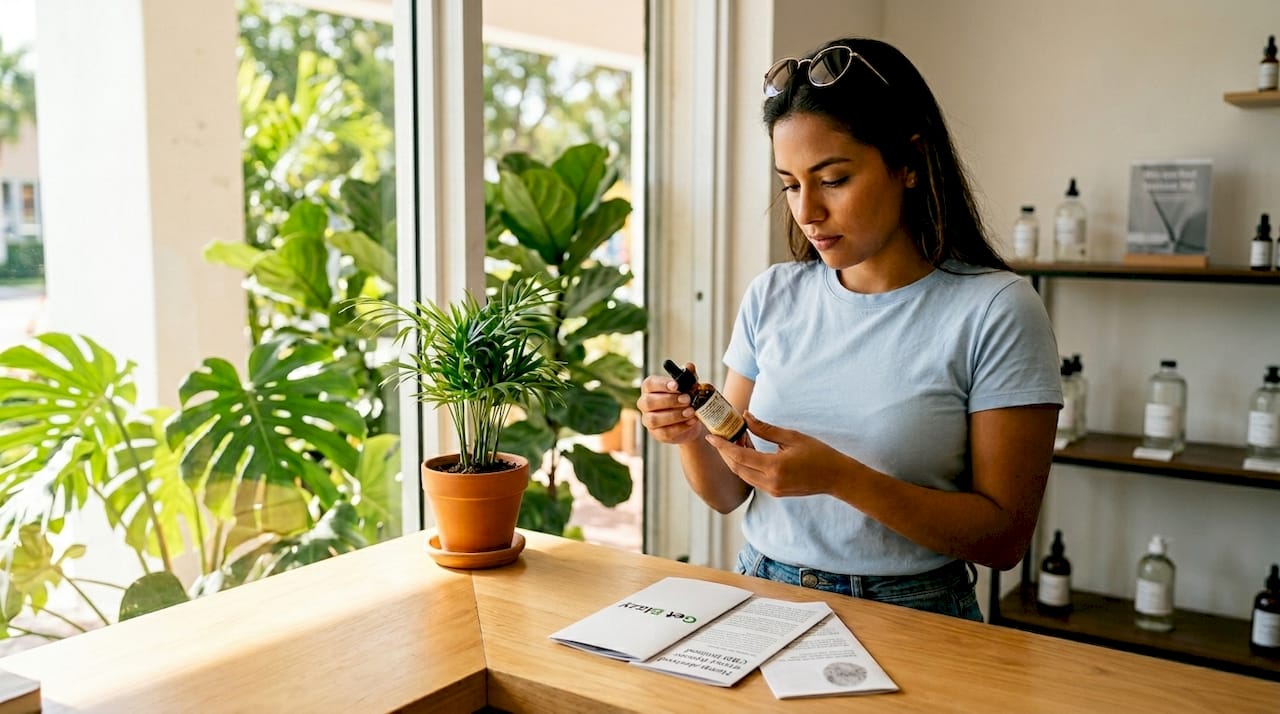
Many adults in Miami are curious about CBD products but remain confused about what hemp-derived CBD actually means and whether it’s legal. There’s widespread misunderstanding about CBD’s effects, its relationship to marijuana, and which products are safe to buy. This guide will clearly explain hemp-derived CBD meaning, how it differs from other CBD types, and practical uses for wellness and recreational purposes. You’ll learn to identify quality products and make informed decisions about incorporating hemp-derived CBD into your routine.
Table of Contents
- Understanding What Hemp-Derived CBD Means
- Comparing Hemp-Derived CBD With Marijuana-Derived CBD
- Types Of Hemp-Derived CBD Products And How Miami Adults Use Them
- How To Identify Quality Hemp-Derived CBD Products In Miami
- Explore Quality Hemp-Derived CBD Products With Get Blazy
- FAQ
Key takeaways
| Point | Details |
|---|---|
| Hemp-derived CBD definition | Cannabidiol extracted from industrial hemp containing less than 0.3% THC under federal law |
| Legal status in Florida | Hemp-derived CBD products meeting federal THC limits are legal for purchase and use in Miami |
| Common product types | Includes oils, edibles, topicals, and vapes designed for wellness support and relaxation |
| Quality identification | Third-party lab testing and clear labeling are essential for confirming product safety and compliance |
Understanding what hemp-derived CBD means
The term hemp-derived CBD refers to cannabidiol extracted from industrial hemp plants that contain minimal THC. Hemp is legally defined by its THC content, specifically less than 0.3% THC, which distinguishes it from marijuana plants that typically contain much higher THC levels. This distinction is critical because it determines product legality and effects.
CBD itself is a non-intoxicating cannabinoid, one of over 100 compounds found in cannabis plants. Unlike THC, CBD does not produce euphoria or impairment. When extracted from hemp plants meeting federal standards, the resulting CBD products remain legal under the 2018 Farm Bill, which removed hemp from the Controlled Substances Act. This federal framework has enabled widespread legal sales of hemp-derived CBD products throughout Florida, including Miami.
Many consumers mistakenly believe all CBD products are the same or that hemp-derived CBD might produce marijuana-like effects. The reality is quite different. Hemp and marijuana are both cannabis plants, but they’re cultivated for distinct purposes and chemical profiles. Hemp is grown primarily for industrial uses and CBD extraction, while marijuana is cultivated for higher THC content. This fundamental difference in plant chemistry creates entirely different product categories with different legal statuses.
For Miami buyers, understanding these distinctions matters practically. When you purchase hemp-derived CBD products from legitimate retailers, you’re buying federally legal products that won’t cause intoxication. Florida law aligns with federal regulations, permitting the sale and possession of hemp-derived CBD products that meet THC requirements. However, product quality varies significantly, making it essential to verify that products actually contain what labels claim.
Hemp-derived CBD products offer wellness benefits without intoxicating effects, making them accessible to adults seeking natural support for stress, discomfort, and sleep challenges.
Common misconceptions include believing that all CBD products are marijuana products or that hemp-derived CBD is somehow inferior to marijuana-derived CBD. Neither is accurate. Hemp-derived CBD is simply CBD extracted from a specific type of cannabis plant bred to stay within legal THC limits. The CBD molecule itself remains chemically identical regardless of source. What differs is the THC content and legal framework surrounding each product type.
Key legal clarifications for Miami consumers:
- Hemp-derived CBD products with less than 0.3% THC are federally legal and permitted in Florida
- You don’t need a medical marijuana card to purchase hemp-derived CBD products
- These products are available through regular retail channels, not just dispensaries
- Product labels must accurately reflect THC content to maintain legal status
With this foundation established, you can better evaluate different CBD product types and understand why sourcing and testing matter so much for safety and compliance.
Comparing hemp-derived CBD with marijuana-derived CBD
The primary difference between hemp-derived and marijuana-derived CBD lies in THC content and legal status. Hemp-derived CBD products contain less than 0.3% THC, keeping them non-intoxicating and federally legal. Marijuana-derived CBD products typically contain higher THC levels, often 5% to 30% or more, producing psychoactive effects and remaining federally restricted despite state-level legalization in some areas.
This THC distinction creates fundamentally different user experiences. Hemp-derived CBD offers potential wellness benefits like relaxation and discomfort relief without impairment. You can use these products during the day, before work, or in situations where mental clarity matters. Marijuana-derived CBD products, with their higher THC content, produce euphoria and cognitive changes that many users seek recreationally but that limit practical daytime use.
| Feature | Hemp-Derived CBD | Marijuana-Derived CBD |
| — | — |
| THC Content | Less than 0.3% | Typically 5% to 30%+ |
| Intoxicating Effects | None | Yes, produces high |
| Federal Legal Status | Legal under Farm Bill | Federally restricted |
| Purchase Requirements | No card needed | Medical card or state program |
| Typical Use Cases | Wellness, daily support | Recreation, medical conditions |
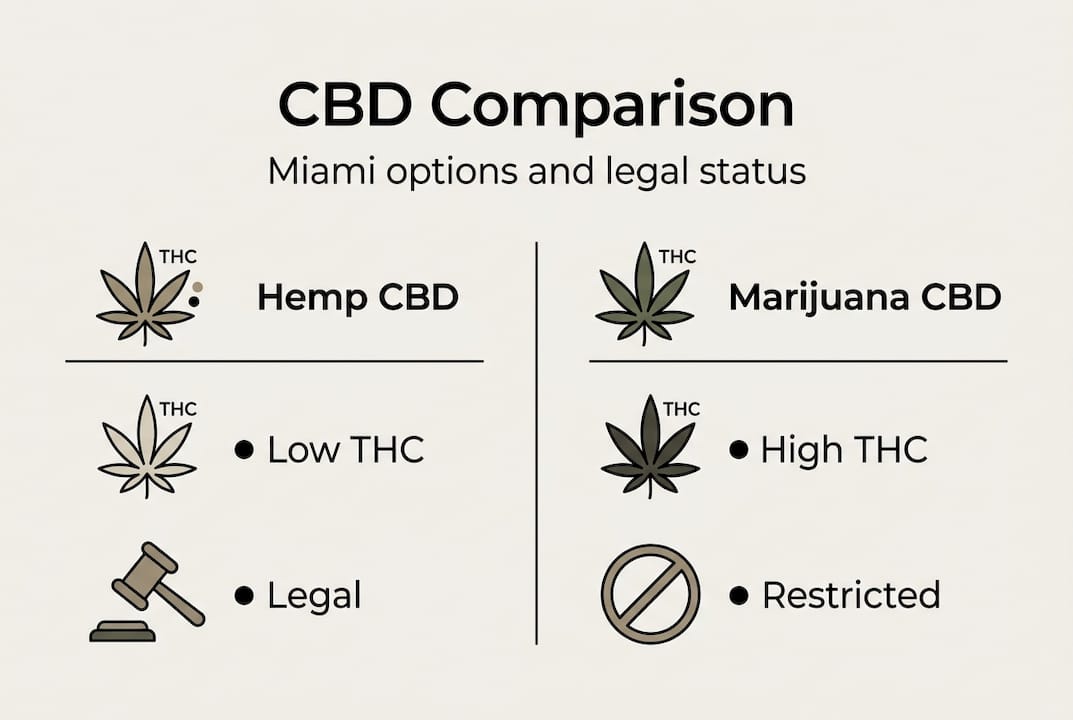
Legal accessibility differs dramatically between these product types. You can walk into Get Blazy or order hemp-derived CBD products online without special documentation. Marijuana-derived CBD requires participation in Florida’s medical marijuana program, including physician certification and state registration. This creates a practical barrier that makes hemp-derived CBD the more accessible option for most Miami adults.
Product composition extends beyond just THC levels. Marijuana-derived products often contain a fuller spectrum of cannabinoids and terpenes, creating what’s called the entourage effect. Hemp-derived CBD products may be full-spectrum, broad-spectrum, or isolate, each offering different cannabinoid profiles. Full-spectrum hemp products contain trace THC and other cannabinoids, broad-spectrum removes THC entirely, and isolate provides pure CBD alone.
Importance of product labeling and sourcing:
- Verify THC content through lab reports to ensure legal compliance
- Check whether products are full-spectrum, broad-spectrum, or isolate
- Confirm hemp source and cultivation practices for quality assurance
- Review extraction methods, as CO2 extraction typically produces cleaner products
Pro Tip: Always verify lab testing results or certificates of analysis for any CBD product. Reputable manufacturers provide these documents showing exact cannabinoid content, confirming THC stays below legal limits and verifying absence of contaminants like pesticides or heavy metals.
For Miami consumers seeking non-intoxicating wellness support, hemp-derived CBD offers the practical advantage of legality, accessibility, and clear-headed effects. Understanding these differences helps you choose products aligned with your needs and legal comfort level.
Types of hemp-derived CBD products and how Miami adults use them
Hemp-derived CBD products come in several forms, each offering distinct advantages for absorption, convenience, and use cases. CBD products include oils, edibles, topicals, and vapes, each delivering different user experiences based on how your body processes them. Understanding these differences helps you select products matching your wellness goals and lifestyle preferences.
Tinctures and oils represent the most popular CBD format. These liquid products typically come with droppers for precise dosing under your tongue. Sublingual absorption allows CBD to enter your bloodstream quickly, usually within 15 to 30 minutes. This method offers flexibility in dosing and relatively fast onset, making tinctures ideal for users who want control over their intake and quick relief.
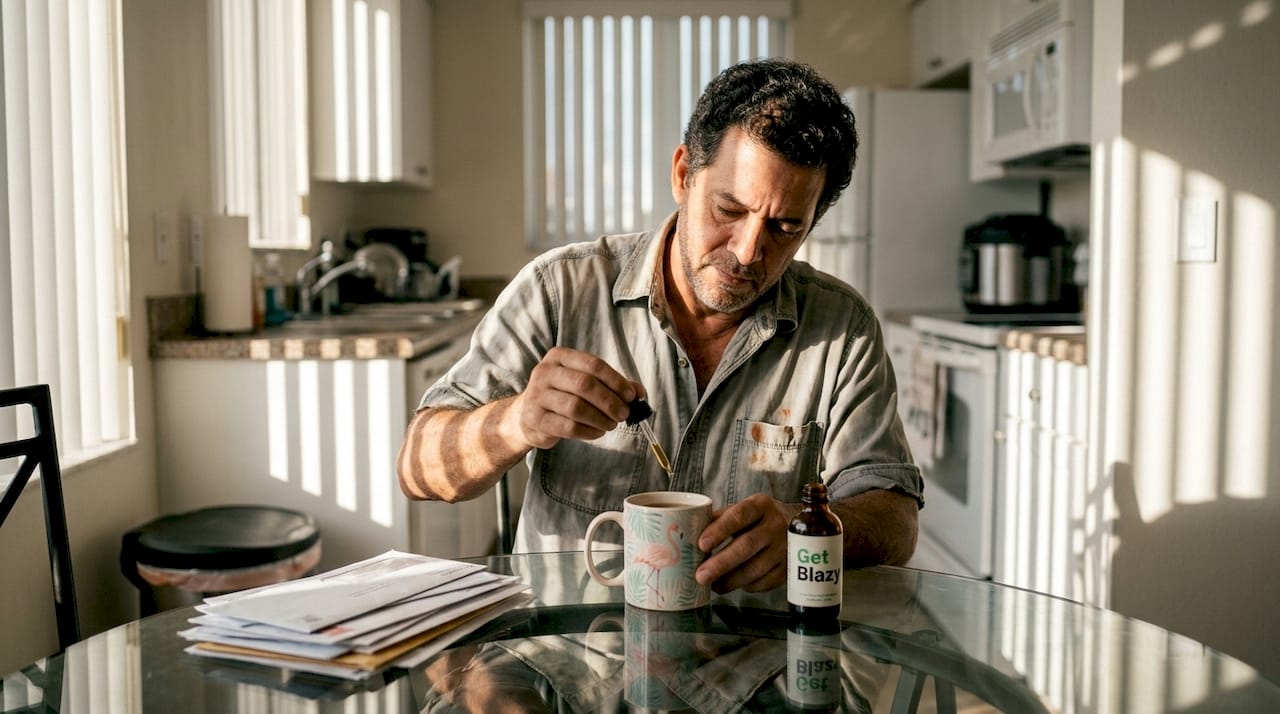
Edibles include gummies, capsules, chocolates, and other ingestible products. These provide the most discreet and convenient consumption method, especially for users new to CBD or those who prefer familiar formats. Edibles take longer to work, typically 45 minutes to 2 hours, because CBD must pass through your digestive system. However, effects last longer, often 4 to 6 hours, making edibles excellent for sustained support throughout the day or night.
Topical products like creams, balms, and lotions deliver CBD directly to skin and muscles without entering your bloodstream. Users apply these products to specific areas experiencing discomfort or tension. Topicals work well for localized concerns like sore muscles, joint stiffness, or skin irritation. They won’t produce system-wide effects but offer targeted relief where applied.
Vaporized forms include vape cartridges and disposable pens containing CBD oil or distillate. Inhalation provides the fastest onset, with effects noticeable within minutes. This rapid action appeals to users seeking immediate relief or those accustomed to vaping. However, vaping isn’t suitable for everyone, particularly those with respiratory sensitivities.
How wellness users incorporate CBD:
- Morning routines often include low-dose tinctures or capsules for daily balance
- Evening use focuses on higher doses of edibles or tinctures for sleep support
- Topicals applied after exercise or physical activity for muscle recovery
- Vapes used as needed for quick stress relief during challenging moments
Recreational users appreciate hemp-derived CBD for its legal status and non-intoxicating relaxation. These consumers often choose products that fit social situations, like flavored gummies or discreet vape pens. The absence of THC-related impairment means users can enjoy mild relaxation without compromising mental clarity or facing legal concerns.
Steps to select and start using hemp-derived CBD safely:
- Identify your primary goal, whether stress management, sleep improvement, or discomfort relief
- Choose a product format matching your lifestyle and onset time preferences
- Start with low doses, typically 10 to 20mg of CBD, to assess your response
- Use consistently for at least one week before adjusting dosage or trying different products
- Keep notes on timing, dosage, and effects to optimize your routine
- Consult healthcare providers if you take medications or have health conditions
Miami’s climate and lifestyle influence product preferences too. Many local users prefer portable formats like gummies or vape pens for beach days or outdoor activities. Tinctures remain popular for home use where precise dosing and quick effects matter most. Understanding your own patterns and preferences helps narrow the wide selection to products you’ll actually use consistently.
How to identify quality hemp-derived CBD products in Miami
Quality indicators separate legitimate hemp-derived CBD products from questionable options flooding the market. Third-party lab testing and certificates of analysis are essential for confirming product purity, potency, and THC levels. Reputable manufacturers voluntarily test every batch and make results publicly accessible, usually through QR codes on packaging or downloadable PDFs on their websites.
Certificates of analysis reveal critical information beyond just CBD content. These lab reports show the full cannabinoid profile, confirming THC stays below 0.3% and revealing presence of other beneficial compounds. They also test for contaminants including pesticides, heavy metals, residual solvents, and microbial contamination. Products without accessible lab testing should raise immediate red flags, regardless of marketing claims or price points.
Clear labeling requirements include specific details that quality manufacturers provide transparently. Labels should state total CBD content in milligrams, serving size, suggested use, batch or lot number, and expiration date. Ingredient lists should be complete and understandable. Vague terms like “hemp extract” without specific CBD quantities suggest products that may not contain meaningful amounts of active compounds.
| Quality Criteria | What to Look For | Potential Risks if Missing |
|---|---|---|
| Third-Party Testing | Accessible COAs showing cannabinoid profile and contaminant screening | Unknown potency, possible contamination, unverified THC levels |
| Clear Labeling | Specific CBD amounts, batch numbers, ingredient lists, contact info | Inconsistent dosing, inability to verify product contents |
| Hemp Source | US-grown hemp with organic or quality cultivation practices | Pesticide exposure, lower cannabinoid content, compliance issues |
| Extraction Method | CO2 or ethanol extraction clearly stated | Residual solvents, lower purity, potential safety concerns |
| Company Transparency | Responsive customer service, educational resources, clear policies | Difficulty resolving issues, lack of accountability |
Common red flags indicating questionable products:
- Extraordinary health claims promising to cure diseases or conditions
- Prices significantly below market average for comparable products
- No batch numbers or production dates on packaging
- Inability to access lab reports or certificates of analysis
- Vague sourcing information or unwillingness to disclose hemp origin
- Inconsistent packaging quality or unprofessional presentation
- No contact information or unresponsive customer support
Source transparency extends beyond just hemp origin. Quality manufacturers openly share their cultivation practices, extraction methods, and quality control processes. They provide educational resources helping consumers understand their products and make informed choices. Companies hiding behind vague marketing language or refusing to answer specific questions about their processes typically have something to hide.
Pro Tip: Buy from reputable sources offering clear contact and product information. Established retailers like Get Blazy vet their product selection, ensuring items meet quality standards and legal requirements. Shopping through trusted channels reduces your risk of encountering mislabeled or contaminated products.
Verification steps before purchasing:
- Scan QR codes or visit manufacturer websites to access current lab reports
- Verify batch numbers on products match available test results
- Check that lab reports come from accredited third-party facilities
- Confirm test dates are recent, ideally within the past six months
- Review full cannabinoid profiles to understand product composition
- Look for contaminant testing results, not just potency verification
Price serves as a rough quality indicator, though not absolute. Extremely cheap CBD products often contain minimal active compounds or use inferior extraction methods. However, premium pricing doesn’t automatically guarantee quality either. Expect to pay roughly $0.05 to $0.15 per milligram of CBD for quality products, with variations based on product type and additional ingredients.
Miami consumers benefit from shopping locally at established retailers where you can examine products, ask questions, and verify quality indicators before purchasing. Online shopping expands selection but requires extra diligence in researching manufacturers and verifying third-party testing. Regardless of where you buy, applying these quality criteria protects your investment and ensures you receive safe, effective hemp-derived CBD products.
Explore quality hemp-derived CBD products with Get Blazy
Now that you understand hemp-derived CBD and how to identify quality products, finding trustworthy sources in Miami becomes your next step. Get Blazy simplifies this process by offering a carefully curated selection of verified hemp-derived CBD products through our convenient weed delivery marketplace. We understand Miami consumers need reliable access to products meeting strict quality and legal standards.
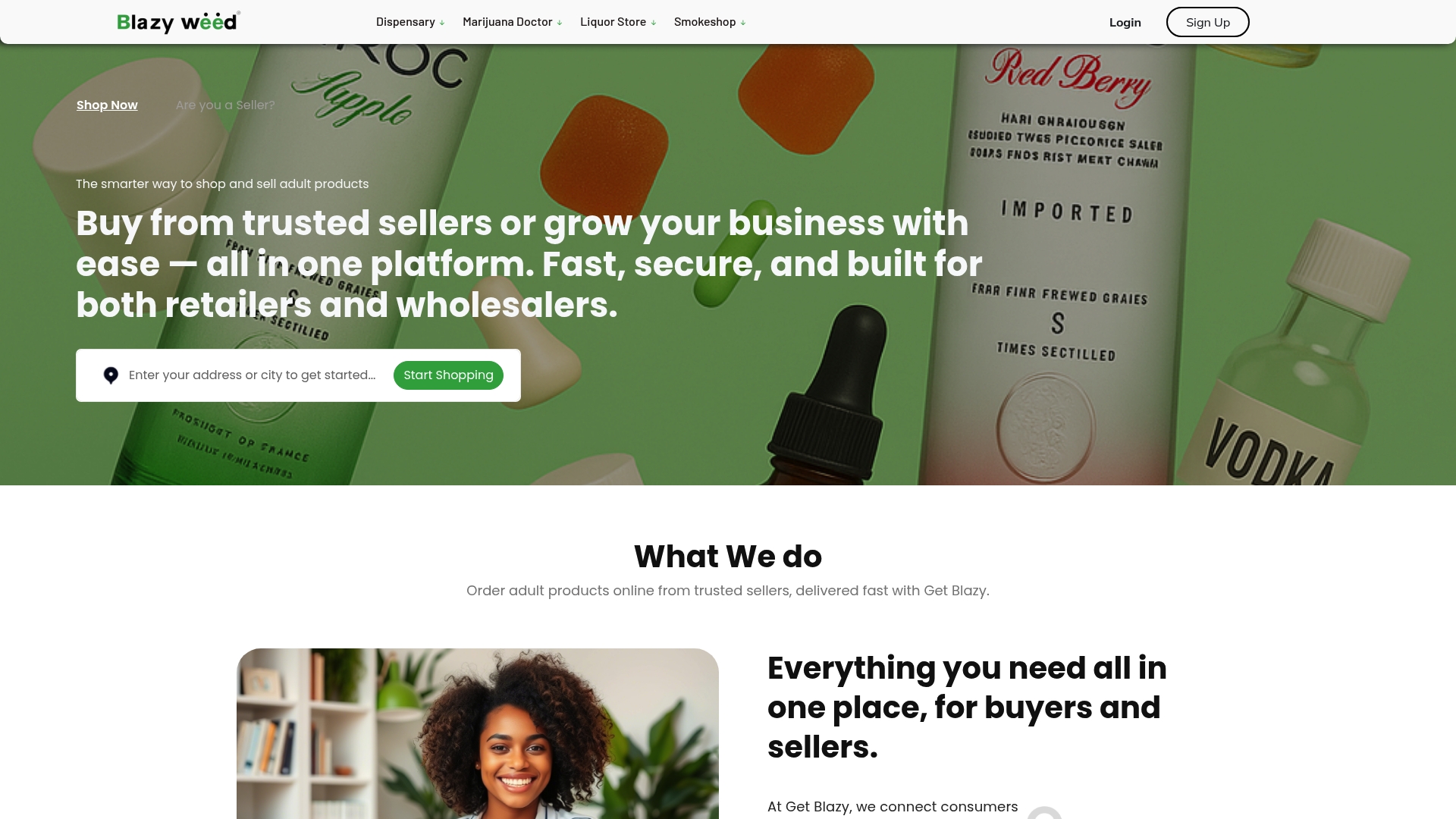
Our platform connects you with premium CBD oils, edibles, vapes, and topicals from manufacturers who prioritize transparency and testing. Every product available through Get Blazy comes from reputable sources providing third-party lab results and clear labeling. Whether you’re exploring CBD for the first time or seeking specific wellness solutions, our CBD products delivery service brings quality options directly to your door with fast, discreet shipping throughout Miami. Visit Get Blazy today to browse our selection and start your hemp-derived CBD journey with confidence.
FAQ
Is hemp-derived CBD legal in Miami?
Hemp-derived CBD containing less than 0.3% THC is federally legal under the 2018 Farm Bill and permitted throughout Florida, including Miami. You can legally purchase, possess, and use these products without a medical marijuana card or special documentation. Always verify product labels show compliant THC levels and buy from reputable retailers to ensure legal compliance.
Will hemp-derived CBD get me high?
Hemp-derived CBD does not produce intoxicating effects or the “high” associated with marijuana because it contains minimal THC. The trace amounts of THC legally allowed (below 0.3%) are insufficient to cause euphoria or impairment. Effects focus on potential wellness support like relaxation and discomfort relief while maintaining mental clarity and normal cognitive function.
How can I choose a safe hemp-derived CBD product?
Look for products with accessible third-party lab testing showing cannabinoid content and contaminant screening. Verify clear labeling with specific CBD amounts, batch numbers, and complete ingredient lists. Avoid products making extraordinary health claims or lacking verifiable testing documentation. Purchase from established retailers who vet their product selection for quality and compliance.
What are the common uses of hemp-derived CBD?
Adults use hemp-derived CBD primarily for stress relief, sleep support, discomfort management, and general relaxation. Wellness-focused consumers incorporate CBD into daily routines for balance and recovery. Recreational users appreciate the legal, non-intoxicating relaxation these products provide. Application methods vary based on individual needs, with options including oral tinctures, edibles, topicals, and vaporized forms.