
Many people believe CBD is either fully legal everywhere or completely illegal in the United States, but the reality is far more nuanced. With the 2018 Farm Bill legalizing hemp-derived CBD at the federal level and states enacting their own rules, confusion persists among consumers, businesses, and policymakers. This guide clarifies the current legal landscape for CBD in 2026, helping you navigate federal regulations, state variations, compliance requirements, and emerging market opportunities with confidence.
Table of Contents
- Key takeaways
- The current legal framework for CBD in the United States
- Variations in state laws and regulations for CBD
- Navigating CBD legality for consumers and businesses in 2026
- Future outlook and tips for staying updated on CBD legal changes
- Explore trusted CBD products and delivery options
- Frequently asked questions
Key Takeaways
| Point | Details |
|---|---|
| Federal hemp legality | The 2018 Farm Bill legalized hemp-derived CBD at the federal level for products containing less than 0.3 percent THC, creating a baseline framework for hemp products nationwide. |
| FDA oversight limits | FDA regulates CBD in foods and supplements but has not approved it as a food additive or dietary ingredient, creating a gray market with enforcement actions. |
| State law variation | States differ widely in requirements, with some allowing hemp-derived CBD with minimal rules and others imposing licenses, testing, age limits, or product restrictions. |
| Agency oversight mix | CBD regulation involves the DEA, FDA, USDA and state departments, creating complexity for businesses navigating compliance across jurisdictions. |
| Evolving regulations | Regulations continue to evolve, so consumers and businesses must stay updated on changing federal and state rules. |
The current legal framework for CBD in the United States
The 2018 Farm Bill federally legalized hemp-derived CBD by removing hemp from the Controlled Substances Act, creating a legal pathway for products containing less than 0.3% THC. This landmark legislation distinguished hemp from marijuana based solely on THC concentration, establishing a federal framework that transformed the CBD industry overnight. Before this change, all cannabis plants were classified as Schedule I controlled substances regardless of their psychoactive properties.
Hemp-derived CBD and marijuana-derived CBD face vastly different legal treatments. Hemp products with minimal THC content enjoy federal protection, while marijuana-derived CBD remains illegal under federal law except in states with medical or recreational cannabis programs. This distinction matters because the source plant determines whether your CBD purchase complies with federal regulations. Even identical chemical compounds face different legal classifications based on their botanical origin.
The FDA maintains regulatory authority over CBD in food, beverages, dietary supplements, and therapeutic products. Despite federal legalization of hemp, the agency has not approved CBD as a food additive or dietary supplement ingredient, creating a gray area where products flood the market without explicit FDA approval. The agency continues issuing warning letters to companies making unsubstantiated health claims or selling products with unsafe contaminant levels. Only one CBD medication, Epidiolex for seizure disorders, has received FDA approval through rigorous clinical trials.
Multiple federal agencies share oversight responsibilities for CBD regulation:
- The DEA manages hemp cultivation licensing and ensures THC compliance
- The FDA regulates product safety, labeling, and therapeutic claims
- The USDA oversees hemp farming practices and agricultural standards
- State agriculture departments enforce local hemp production rules
This multi-agency approach creates complexity for businesses navigating compliance requirements across jurisdictions. Each agency brings different priorities and enforcement mechanisms to CBD regulation, requiring stakeholders to monitor multiple sources for regulatory updates.
“The federal framework provides baseline legality, but state laws add layers of complexity that businesses and consumers must navigate carefully to ensure full compliance.”
Variations in state laws and regulations for CBD
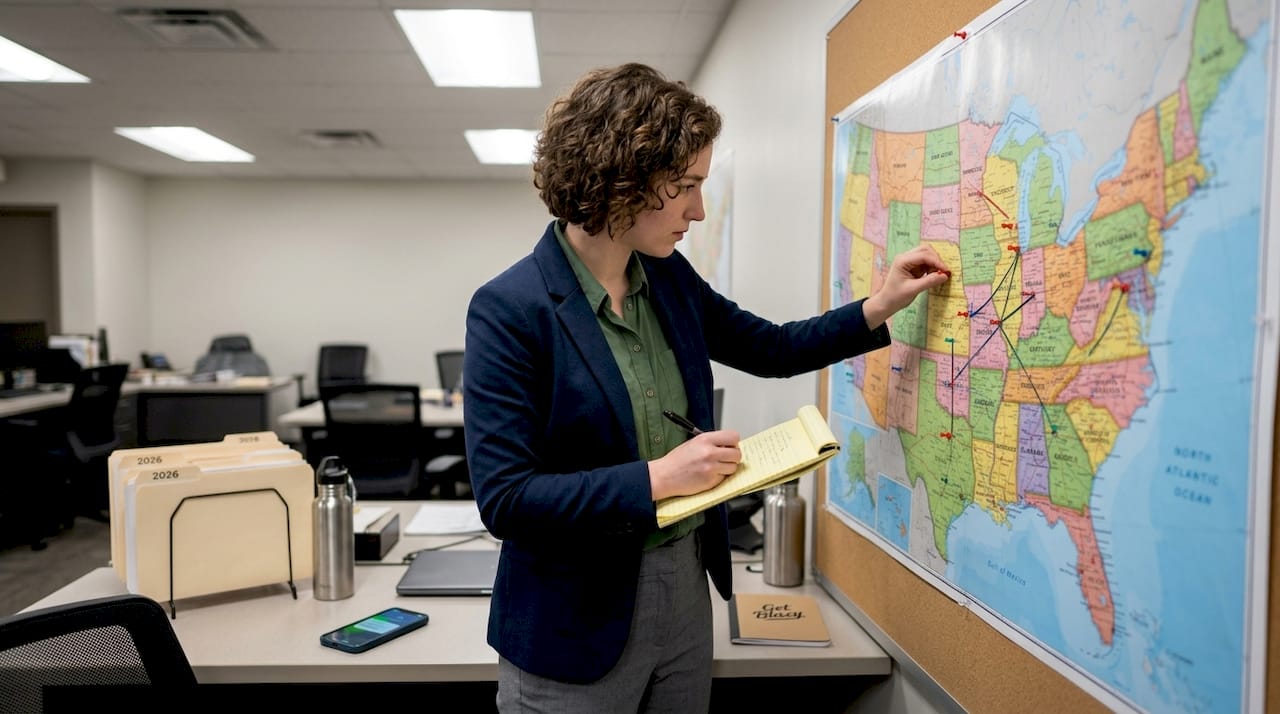
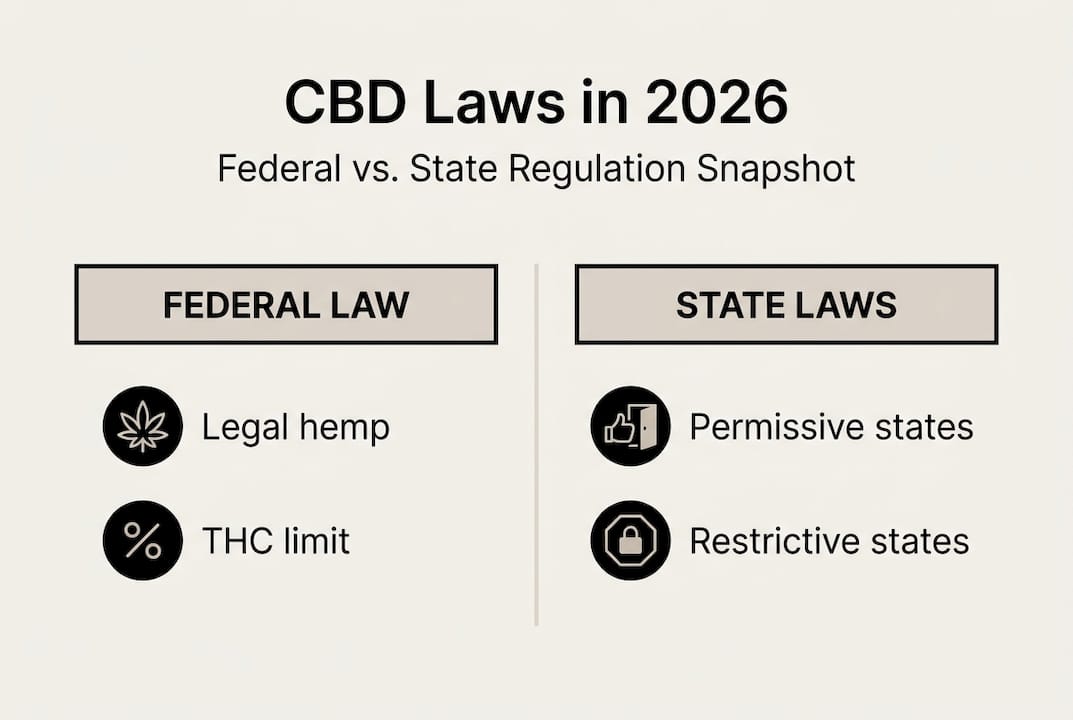
State approaches to CBD regulation span a wide spectrum, from states fully embracing CBD commerce to those maintaining restrictive policies despite federal legalization. Some states mirror federal law by permitting hemp-derived CBD with minimal additional requirements, while others impose licensing systems, testing mandates, age restrictions, or outright prohibitions on certain product types. This patchwork creates challenges for interstate commerce and consumer access.
States with permissive CBD policies typically allow retail sales without special licensing beyond standard business permits. Colorado, Oregon, and California have well-established regulatory frameworks supporting robust CBD markets with clear compliance pathways. These states often permit CBD in food and beverages, though they may require specific labeling or testing protocols. Their regulatory clarity attracts businesses and provides consumers with confident access to diverse product selections.
Conversely, states with restrictive approaches limit CBD availability through various mechanisms. Idaho historically maintained strict prohibitions on all CBD products regardless of THC content, though recent legislative changes have created limited exceptions. South Dakota and Nebraska have imposed tight restrictions that effectively limit consumer access despite federal legality. Some states allow CBD only through medical cannabis programs, requiring physician recommendations and patient registration.
The following table illustrates how different states approach CBD regulation:
| State Category | Examples | Key Restrictions | Consumer Impact |
|---|---|---|---|
| Fully permissive | Colorado, Oregon, California | Minimal beyond federal law | Wide product availability |
| Medical only | Alabama, Mississippi | Requires medical card | Limited access for patients |
| Restricted sales | Idaho, South Dakota | Tight controls or bans | Reduced consumer options |
| Evolving frameworks | Texas, Florida | Changing regulations | Uncertainty for businesses |
Interstate commerce complications arise when businesses ship products across state lines or consumers travel with CBD. A product legal in your home state might violate laws in your destination, creating potential legal exposure. Businesses selling online must verify shipping restrictions for each state and implement geographic controls to prevent illegal deliveries. Some companies refuse to ship to states with unclear or restrictive laws to avoid compliance risks.
Before purchasing or using CBD products, consumers should:
- Research your state’s current CBD laws through official government sources
- Verify whether your state permits CBD in food, beverages, or supplements
- Check age restrictions and purchase location requirements
- Understand possession limits if your state imposes them
- Review local ordinances that may add restrictions beyond state law
Pro Tip: Consult your state’s department of health or agriculture website for official guidance on CBD legality, and consider contacting a cannabis attorney if you plan to start a CBD business or have complex compliance questions.
Navigating CBD legality for consumers and businesses in 2026
Consumers can protect themselves by verifying product legitimacy through several key steps. First, examine third-party lab test results, often called Certificates of Analysis, which confirm THC content and screen for contaminants like heavy metals, pesticides, and residual solvents. Reputable manufacturers provide these documents readily, either on product packaging via QR codes or on their websites. Second, research the company’s reputation through customer reviews and industry ratings. Third, verify the product contains hemp-derived CBD rather than synthetic cannabinoids or marijuana-derived compounds. Finally, check that labeling accurately reflects CBD content and includes required disclaimers.
Businesses operating in the CBD sector must maintain rigorous compliance across multiple dimensions:
- Source hemp from licensed cultivators who follow USDA guidelines and state agricultural requirements
- Test every product batch for THC content to ensure it remains below the 0.3% federal threshold
- Implement accurate labeling that includes CBD content, serving size, ingredients, and required legal disclaimers
- Avoid making therapeutic claims unless you have FDA approval for drug applications
- Maintain detailed records of sourcing, testing, and distribution for regulatory inspections
- Monitor both federal and state law changes that might affect your operations
- Secure appropriate business licenses and permits for your jurisdiction
- Implement age verification systems if required by state or local law
Compliance with labeling and sourcing standards is critical because violations can result in product seizures, warning letters, fines, or criminal prosecution in severe cases. The FDA has taken enforcement action against companies selling contaminated products, making false health claims, or marketing CBD as dietary supplements without approval. State attorneys general have also pursued cases against businesses violating local CBD regulations.
Non-compliance risks extend beyond legal penalties to include reputational damage and loss of merchant services. Payment processors and banks often terminate relationships with CBD businesses that face regulatory scrutiny, cutting off essential financial infrastructure. Insurance companies may deny coverage or cancel policies if compliance issues emerge. The cumulative effect can shut down operations even before formal legal action concludes.
The CBD market continues expanding despite regulatory uncertainty, with emerging opportunities in several areas. Specialized product formulations targeting specific wellness goals attract consumer interest and command premium prices. Sustainable and organic certification differentiates brands in crowded markets. Innovation in delivery methods, from nano-emulsified tinctures to transdermal patches, creates competitive advantages. B2B opportunities supplying other businesses with bulk CBD or white-label products represent significant revenue potential.
Pro Tip: Common labeling pitfalls include overstating CBD content, making disease treatment claims, failing to include required warnings, and omitting batch or lot numbers that enable traceability. Work with regulatory consultants or attorneys specializing in CBD to review your labels before printing.
Future outlook and tips for staying updated on CBD legal changes
Anticipated regulatory trends suggest the FDA may eventually establish clear pathways for CBD in food and supplements, though the timeline remains uncertain. Agency officials have repeatedly stated that current law requires Congressional action to permit CBD in dietary supplements, indicating that legislative changes might precede comprehensive FDA rulemaking. Some industry observers expect the FDA to prioritize safety standards and testing requirements before addressing market access questions.
State-level trends point toward continued divergence rather than harmonization. While some states move toward more permissive frameworks as CBD normalizes, others maintain restrictive approaches based on local political climates and public health concerns. This pattern suggests the patchwork regulatory landscape will persist, requiring ongoing vigilance from businesses and consumers. Interstate commerce complications will likely continue until federal legislation preempts conflicting state laws or establishes minimum standards.
Policy advocacy organizations play crucial roles in shaping CBD regulations through lobbying, public education, and legal challenges. Industry groups like the U.S. Hemp Roundtable work to advance favorable legislation and defend against restrictive proposals. Consumer advocacy organizations push for safety standards and transparency requirements. Engaging with these groups through membership, donations, or participation in advocacy campaigns helps individuals influence regulatory outcomes.
Staying informed about CBD legal changes requires proactive effort and reliable information sources:
- Subscribe to FDA updates and Federal Register notifications for proposed rules
- Follow your state legislature’s health and agriculture committees for pending bills
- Join industry associations that provide regulatory alerts and analysis
- Monitor cannabis law blogs and legal publications for expert commentary
- Set Google Alerts for terms like “CBD regulation” and your state name
- Attend industry conferences where regulatory updates are discussed
- Consult with attorneys specializing in cannabis law for business-critical decisions
Federal and state regulatory websites publish official guidance, though navigating government resources can be challenging. The FDA’s CBD page consolidates the agency’s position, warning letters, and consumer information. Your state’s department of health or agriculture typically maintains hemp and CBD program details. Legislative tracking services help businesses monitor bills that might affect operations.
Pro Tip: Dedicate time monthly to review regulatory updates rather than waiting for changes to affect your business or personal use. The CBD legal landscape evolves quickly, and proactive monitoring prevents costly surprises or compliance failures.
“Successful navigation of CBD legality requires treating regulatory compliance as an ongoing process rather than a one-time checklist, with continuous education and adaptation as laws evolve.”
Explore trusted CBD products and delivery options
Now that you understand the complex legal landscape surrounding CBD in 2026, finding a reliable source for compliant products becomes essential. Get Blazy CBD Dispensary in Miami offers premium hemp-derived CBD oils, edibles, vape cartridges, and wellness products sourced from reputable manufacturers and lab-tested for purity. Whether you prefer shopping in-store on Biscayne Blvd or ordering online for fast, discreet delivery across Miami, our selection supports your wellness goals while meeting legal requirements.
Our knowledgeable team helps customers navigate product options and understand compliance considerations for their specific needs. From CBD tinctures and gummies to topical solutions, every item in our CBD product selection undergoes rigorous quality verification. Experience the confidence that comes from purchasing through a trusted weed delivery marketplace committed to legal compliance and customer satisfaction.
Frequently asked questions
Is CBD legal in all US states in 2026?
No, CBD legality varies significantly by state despite federal legalization of hemp-derived products. While federal law permits CBD with less than 0.3% THC, individual states impose their own regulations ranging from full legality to strict restrictions or bans. Some states allow recreational and medical use, while others limit CBD to medical programs or prohibit certain product types entirely. Always verify your specific state’s current laws before purchasing or using CBD products.
Can I buy CBD products online and have them shipped to my state?
Hemp-derived CBD can be shipped interstate under federal law, but state restrictions may prohibit or regulate deliveries within certain jurisdictions. Reputable online retailers typically screen orders against state laws and refuse shipments to locations where CBD faces legal restrictions. Before ordering, research your state’s position on CBD commerce and verify that the seller ships to your location legally. Some states require special licensing for CBD retailers, affecting which companies can serve residents.
What should businesses do to comply with CBD regulations in 2026?
Businesses must ensure products contain less than 0.3% THC through regular batch testing, implement accurate labeling with required disclaimers, and source hemp from licensed cultivators. Staying current with FDA enforcement priorities and state-specific requirements is essential, as regulations continue evolving. Maintain detailed records of testing, sourcing, and distribution for potential inspections. For complex interstate operations or product development, consult attorneys specializing in cannabis law to navigate the multi-jurisdictional compliance landscape effectively.
Does the FDA approve CBD products for sale?
The FDA has approved only one CBD medication, Epidiolex, for treating specific seizure disorders through the standard drug approval process. The agency has not approved CBD as a food additive or dietary supplement ingredient, creating regulatory uncertainty for most CBD products on the market. Companies selling CBD foods, beverages, or supplements operate in a legal gray area where federal hemp legalization conflicts with FDA’s authority over these product categories. The FDA continues issuing warnings to companies making unsubstantiated health claims.
How can I verify that a CBD product is legal and safe?
Request third-party lab test results showing THC content below 0.3% and screening for contaminants like pesticides, heavy metals, and residual solvents. Reputable manufacturers provide Certificates of Analysis readily through QR codes on packaging or their websites. Verify the company sources hemp from licensed cultivators and follows good manufacturing practices. Check that labeling accurately reflects CBD content and includes required legal disclaimers. Research the brand’s reputation through customer reviews and industry ratings before purchasing.