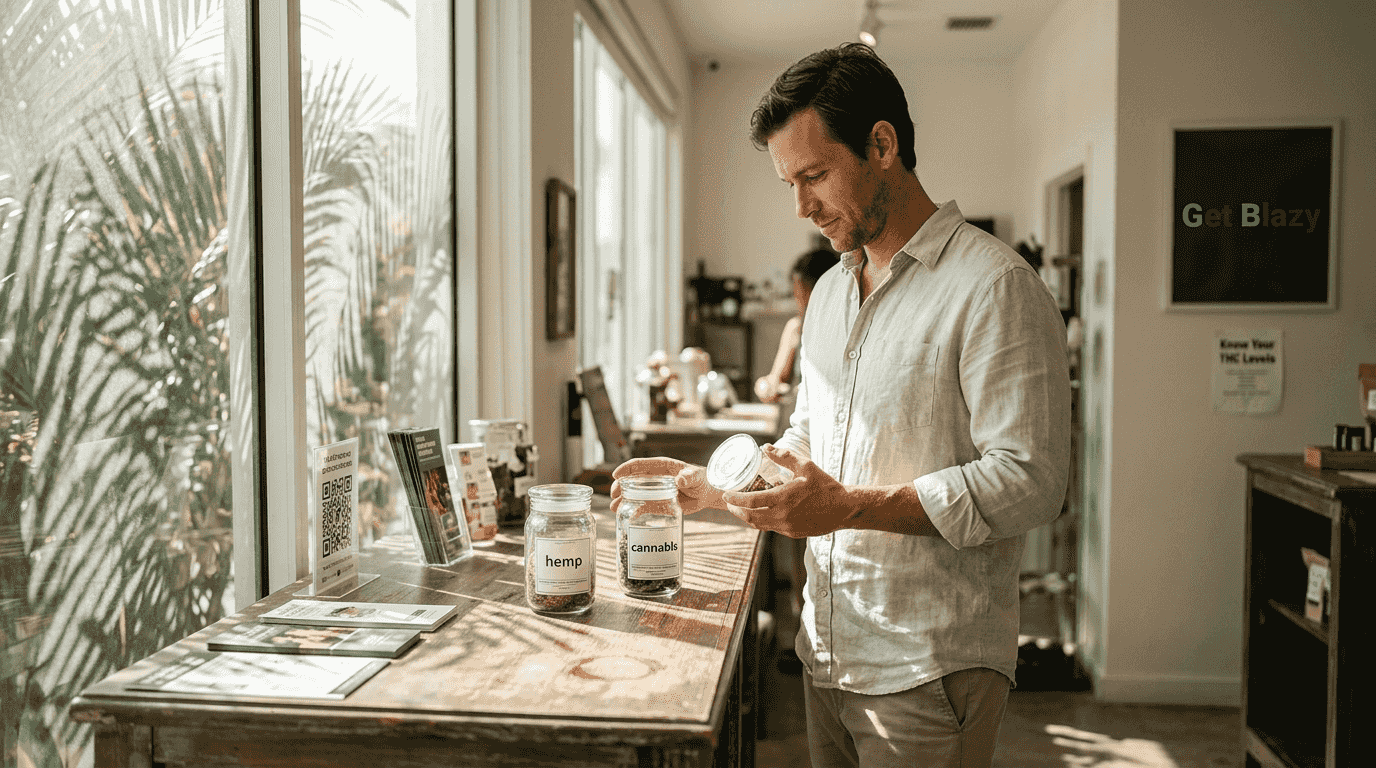
Many people think hemp and cannabis are completely different plants, but the truth surprises most wellness shoppers. Both come from Cannabis sativa, the same botanical species. What separates them legally is THC content, the compound that creates psychoactive effects. Understanding this distinction matters for Miami consumers seeking safe, legal CBD and hemp products. This guide clarifies the differences, explains Florida regulations, and shows you how to buy confidently in 2026.
Table of Contents
- Understanding The Botanical And Legal Differences Between Hemp And Cannabis
- How THC Levels Define The Effects And Legal Status Of Hemp And Cannabis Products
- Florida-Specific Packaging, Labeling, And Purchasing Regulations For Hemp Products
- Risks And Quality Concerns For Hemp Product Consumers, And How To Buy Safely
- Shop Trusted Hemp And Cannabis Products In Miami With Get Blazy
Key takeaways
| Point | Details |
|---|---|
| THC limits define legality | Hemp must contain 0.3% or less delta-9 THC to remain federally legal under the 2018 Farm Bill. |
| Florida enforces strict labeling | All hemp products require scannable QR codes linking to batch Certificates of Analysis and child-resistant packaging. |
| Age restrictions apply | Consumers must be 21 or older to purchase ingestible or inhalable hemp products in Florida. |
| Quality varies significantly | Testing reveals many products contain inaccurate THC levels or contaminants, making lab verification essential. |
| THCA converts when heated | Non-intoxicating THCA in hemp flowers becomes psychoactive THC through decarboxylation during use. |
Understanding the botanical and legal differences between hemp and cannabis
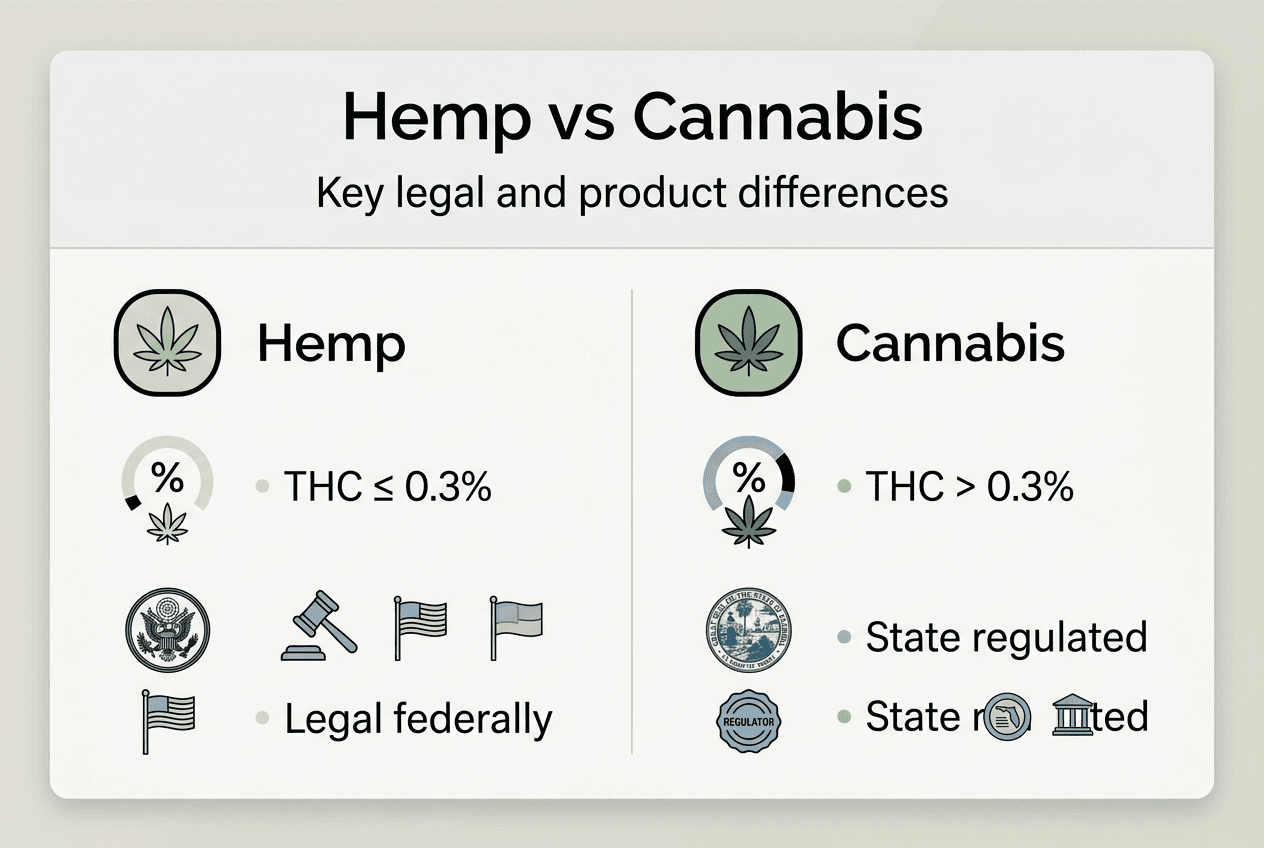
Here’s what confuses most shoppers: hemp and cannabis are the same plant species, Cannabis sativa. The difference isn’t botanical but legal, hinging entirely on THC concentration. Federal law draws a bright line at 0.3% delta-9 THC. Below that threshold, you have hemp. Above it, you have cannabis, which remains federally controlled despite state-level legalization in many places.
The 2018 Farm Bill legalized hemp nationwide by removing it from the Controlled Substances Act. This opened the door for CBD oils, tinctures, edibles, and other wellness products derived from low-THC plants. Florida state law mirrors this federal framework but adds layers of consumer protection through packaging and labeling requirements. Miami buyers benefit from these safeguards when shopping at compliant retailers.
Understanding this legal distinction helps you navigate product labels and make informed choices. A hemp-derived CBD oil from a reputable source offers wellness benefits without intoxication. Cannabis products with higher THC levels produce different effects and face different regulations. Both have legitimate uses, but knowing which category your product falls into matters for legal compliance and desired outcomes.
Pro Tip: Always verify THC levels on product labels before purchasing. Even small amounts above 0.3% can shift a product from legal hemp to regulated cannabis, affecting where you can buy it and how you can use it legally.
The terminology matters too. Some retailers use “marijuana” interchangeably with cannabis, while others prefer “cannabis” for all high-THC products. Hemp remains the term for low-THC varieties. When shopping in Miami, look for clear labeling that specifies THC content and confirms compliance with Florida regulations.
How THC levels define the effects and legal status of hemp and cannabis products
THC concentration determines more than legality. It shapes your entire experience with a product. Delta-9 THC creates the psychoactive effects people associate with cannabis. CBD, the non-intoxicating cannabinoid abundant in hemp, offers potential wellness benefits without the high. Most hemp products emphasize CBD content while keeping THC minimal.
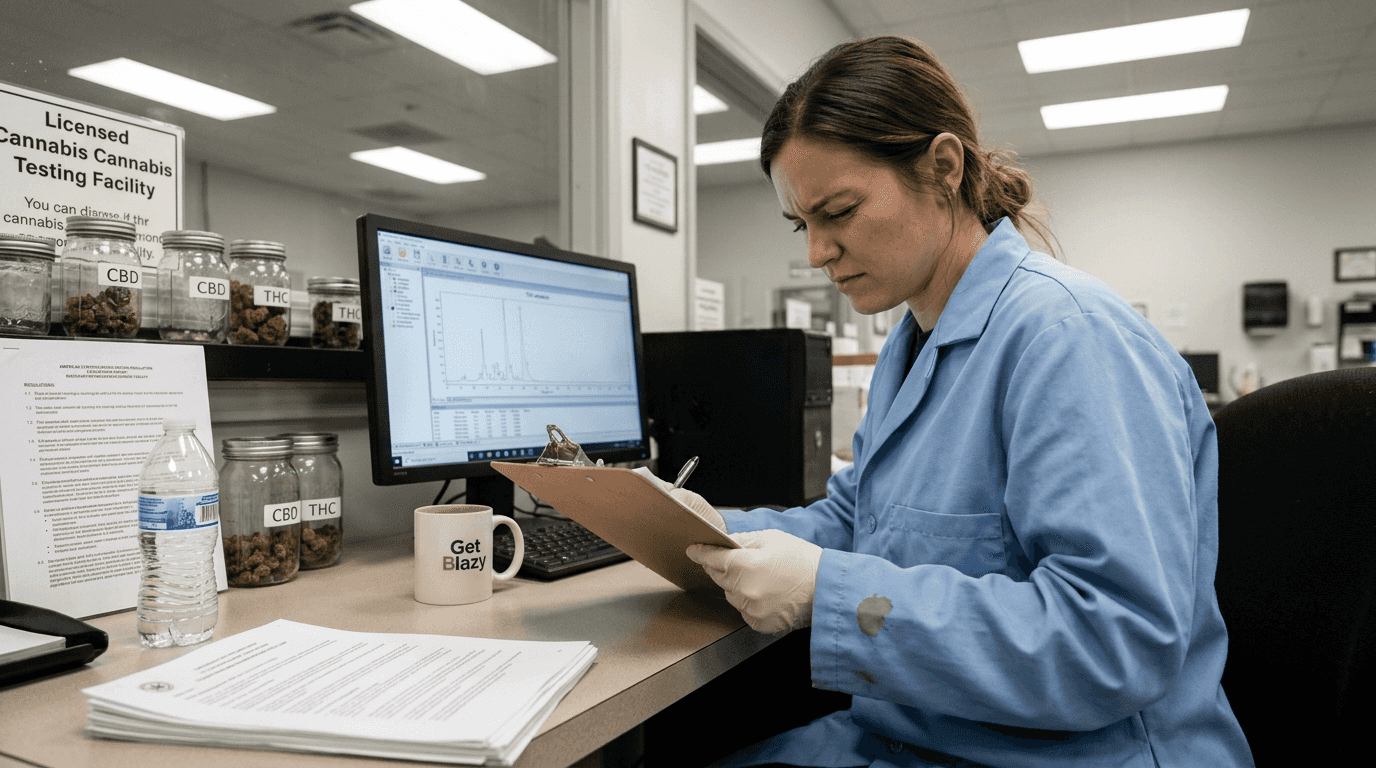
Here’s where chemistry complicates things: THCA, the acidic precursor to THC, exists naturally in raw cannabis plants. THCA converts to psychoactive THC when you apply heat through smoking, vaping, or cooking. A hemp flower testing at 0.3% delta-9 THC might contain higher THCA levels. Once you light it, decarboxylation transforms that THCA into active THC, potentially creating stronger effects than the raw numbers suggest.
This conversion process caught regulators’ attention. New federal limits focus on total THC per container, not just the plant’s natural delta-9 content. The 2026 regulations aim to prevent hemp products from delivering cannabis-level intoxication through processing loopholes. For Miami consumers, this means paying attention to both THCA and delta-9 THC numbers on lab reports.
Consider these factors when evaluating products:
- Raw delta-9 THC content determines federal hemp classification
- THCA levels indicate potential psychoactive effects after heating
- Processing methods can concentrate cannabinoids beyond natural plant levels
- Edibles and concentrates undergo different testing standards than flower
The practical impact for wellness shoppers? A CBD tincture with negligible THC won’t produce intoxication regardless of dosage. A hemp flower with significant THCA might create mild psychoactive effects when smoked or vaped. Understanding these distinctions helps you select products matching your wellness goals and comfort level with THC.
Manufacturers sometimes market high-THCA hemp as a legal alternative to cannabis. While technically compliant before heating, these products blur the line between hemp and cannabis in practice. Florida’s evolving regulations address these gray areas, emphasizing consumer safety and clear labeling over technicalities.
Florida-specific packaging, labeling, and purchasing regulations for hemp products
Florida takes consumer protection seriously with hemp products. The state requires scannable QR codes on all containers linking directly to batch-specific Certificates of Analysis. This transparency lets Miami buyers verify exactly what they’re purchasing before opening the package. Lab reports should detail cannabinoid levels, terpene profiles, and testing for contaminants like pesticides, heavy metals, and microbials.
Labeling requirements go beyond QR codes. Every product must clearly state:
- Total cannabinoid content per serving and per container
- Batch or lot number matching the COA
- Manufacturer information and contact details
- Clear warnings about THC content and potential effects
- Storage and handling instructions
Age restrictions protect younger consumers from accessing hemp products. Florida limits sales of ingestible and inhalable hemp to adults 21 and older. Topical products like lotions and balms face fewer restrictions, but reputable retailers often apply the same age verification across all hemp items. Miami dispensaries check ID at purchase, whether you shop in-store or order delivery.
Child-resistant packaging isn’t optional. Florida mandates that hemp edibles, tinctures, and concentrates use containers meeting federal poison prevention standards. These packages must challenge children under five while remaining accessible to adults. The regulation also prohibits packaging designs that appeal to minors, including cartoon characters, bright colors resembling candy, or shapes mimicking popular snacks.
“Florida’s packaging laws prioritize safety without sacrificing adult access. Compliant retailers invest in proper containers and clear labeling to protect consumers and maintain legal operations.”
Pro Tip: Before buying any hemp product in Miami, scan the QR code with your phone and review the Certificate of Analysis. Missing or inaccessible lab reports signal potential compliance issues or quality concerns worth avoiding.
These regulations create accountability throughout the supply chain. Manufacturers must maintain detailed records, retailers must verify product compliance, and consumers gain tools to make informed decisions. While some see these rules as burdensome, they establish Miami as a market where quality and safety standards protect wellness shoppers from substandard or mislabeled products.
Risks and quality concerns for hemp product consumers, and how to buy safely
Quality varies dramatically across hemp products, creating real risks for uninformed buyers. Independent testing reveals troubling patterns. Wisconsin investigations found over half of tested hemp products contained illegal THC levels, with some harboring dangerous mold and pesticides. While Florida regulations aim to prevent similar issues, the hemp market’s rapid growth outpaces oversight in some areas.
Labeling accuracy presents another challenge. Research shows concentrates display more accurate potency than flower products, but even processed items sometimes miss the mark. A product labeled 25mg CBD per serving might contain 18mg or 32mg in reality. For consumers using hemp for specific wellness goals, this inconsistency undermines dosing precision and predictable results.
| Product Type | Typical Accuracy | Common Issues |
|---|---|---|
| Flower | Lower accuracy | THCA conversion, moisture affecting weight |
| Concentrates | Higher accuracy | Processing variation, extraction efficiency |
| Edibles | Moderate accuracy | Uneven distribution, degradation over time |
| Tinctures | Moderate to high | Separation if not shaken, carrier oil quality |
Contamination risks extend beyond pesticides and mold. Heavy metals from soil accumulate in cannabis plants, making source material quality critical. Residual solvents from extraction processes can remain in concentrates if manufacturing standards slip. Microbial contamination during processing or storage creates health hazards, especially for immune-compromised individuals.
Miami buyers can protect themselves through careful vetting:
- Verify third-party lab testing from accredited facilities, not in-house labs
- Check that batch numbers on products match COA documentation
- Avoid products with vague terms like “full spectrum” without specific cannabinoid breakdowns
- Question unusually low prices that might indicate corner-cutting on quality
- Research manufacturer reputations and customer reviews before first purchases
Pro Tip: Legitimate hemp products always include manufacturing dates and best-by dates. Missing expiration information suggests inadequate quality control or products sitting in inventory too long, potentially degrading cannabinoid potency.
Packaging quality signals overall product integrity. Child-resistant containers cost more than simple bottles, so manufacturers using proper packaging demonstrate commitment to compliance and consumer safety. Conversely, products in flimsy bags or unlabeled jars raise red flags about the entire operation’s standards.
Transparency separates reputable brands from questionable operators. Companies confident in their products eagerly share detailed lab results, sourcing information, and manufacturing processes. Those hiding behind minimal labeling or refusing to provide batch-specific COAs likely have quality issues to conceal. Miami’s competitive hemp market rewards transparency, giving consumers leverage to demand better standards.
Shop trusted hemp and cannabis products in Miami with Get Blazy
Navigating hemp regulations and quality concerns feels overwhelming when you just want safe, effective wellness products. Get Blazy simplifies the process by curating only compliant, lab-tested hemp and CBD items meeting Florida’s strict standards. Every product in our Biscayne Boulevard location or available through our weed delivery marketplace includes clear labeling, batch-specific COAs, and child-resistant packaging.
Our selection spans CBD tinctures, gummies, vape cartridges, flower, and topical solutions, all sourced from manufacturers prioritizing purity and potency accuracy. Miami consumers trust Get Blazy for fast, discreet delivery and knowledgeable staff who explain product differences without pressure. Whether you’re new to hemp wellness or refining your routine, we provide the transparency and quality you deserve.
FAQ
What is the main difference between hemp and cannabis?
Hemp and cannabis are both Cannabis sativa plants, distinguished only by THC concentration. Hemp contains 0.3% or less delta-9 THC, making it federally legal under the 2018 Farm Bill. Cannabis exceeds this threshold, producing stronger psychoactive effects and facing different regulations. The botanical similarity means both offer cannabinoids like CBD, but legal status and effects differ significantly.
Are hemp-derived products legal to buy in Miami?
Yes, hemp products meeting Florida’s requirements are legal for adults 21 and older. Products must comply with THC limits, include scannable QR codes linking to lab results, and use child-resistant packaging. Retailers verify age at purchase for ingestible and inhalable items. Topical hemp products face fewer restrictions but quality retailers apply consistent age verification.
How can I ensure the hemp product I buy is safe and legitimate?
Scan product QR codes to access batch-specific Certificates of Analysis before purchasing. Verify the batch number matches the product label and review cannabinoid levels plus contaminant testing results. Avoid products lacking clear potency information, child-resistant packaging, or accessible lab reports. Reputable Miami retailers like Get Blazy provide full transparency and only stock compliant, tested products.
Does THCA in hemp products get you high?
Raw THCA is non-intoxicating, but heating through smoking, vaping, or cooking converts it to psychoactive THC. Hemp flowers with significant THCA levels can produce mild effects after decarboxylation despite testing below 0.3% delta-9 THC in raw form. If you want zero intoxication, choose processed CBD products like tinctures or edibles with negligible THCA and THC content verified by lab testing.
Why do some hemp products cost more than others?
Price reflects quality control, testing rigor, and manufacturing standards. Premium products undergo multiple rounds of third-party testing, use organic source material, and invest in proper packaging meeting Florida regulations. Lower-priced items might cut corners on testing, use inferior extraction methods, or contain less accurate cannabinoid levels. For wellness products you ingest or inhale, investing in verified quality protects your health and ensures consistent results.