TL;DR:
- Ensure CBD tinctures are third-party tested with transparent ingredient lists and valid COAs.
- Match product potency and flavor to your specific wellness goals and usage routine.
- Buying locally in Miami offers fresher products, regulatory clarity, and greater accountability.
Miami’s CBD market is packed with options, and that abundance can work against you. Walk into any wellness shop or scroll through delivery apps and you’ll find dozens of tinctures all promising relief, relaxation, and balance. But without a clear system for evaluating what you’re buying, it’s easy to waste money on products that underdeliver or, worse, contain ingredients you didn’t sign up for. This guide gives you a practical, evidence-backed checklist to cut through the noise. Whether you’re new to CBD or a longtime user looking to sharpen your buying habits, these criteria will help you shop smarter and feel more confident about every bottle you bring home.
Table of Contents
- Key criteria for high-quality CBD tinctures
- Checklist item 1: Ingredient transparency
- Checklist item 2: Third-party testing and certificates of analysis (COAs)
- Checklist item 3: Potency, flavors, and dosing formats
- Checklist item 4: Local sourcing and Miami regulations
- Our perspective: What Miami CBD tincture buyers really need to know
- Where to find vetted CBD tinctures in Miami
- Frequently asked questions
Key Takeaways
| Point | Details |
|---|---|
| Demand lab testing | Always ensure your CBD tincture is backed by independent third-party lab results. |
| Prioritize transparency | Choose products with clear ingredient lists and certificates of analysis (COAs). |
| Match potency to need | Select tincture strength and flavor that fit your specific wellness or relaxation goals. |
| Understand local laws | Know Miami’s CBD regulations and favor locally compliant, fresh products. |
Key criteria for high-quality CBD tinctures
Not all CBD tinctures are created equal, and the gap between a solid product and a mediocre one often comes down to a few non-negotiables. Before we get into the specific checklist items, here are the core standards every quality tincture should meet.
The most important filter is independent verification. Third-party testing is essential for ensuring CBD tincture purity and potency, and any brand that skips this step should be a hard pass. You can’t trust a brand to grade its own homework.
Beyond testing, look for these key quality markers:
- US-sourced, organically grown hemp: Hemp plants absorb everything from the soil they grow in. Organic cultivation means fewer pesticides and heavy metals end up in your oil.
- Full ingredient transparency: Every ingredient, including the carrier oil, should be named clearly. No vague blends.
- Appropriate potency for your goal: A 300mg tincture works differently than a 3000mg one. Match the strength to your actual need, whether that’s general wellness, better sleep, or targeted relief.
- No artificial flavors or fillers: Some brands add sweeteners and synthetic additives that have no business being in a wellness product.
- Clear batch numbers and production dates: These help you trace the product back to its lab report.
Pro Tip: When you pull up a lab report (called a Certificate of Analysis or COA), check two panels specifically: the cannabinoid profile, which confirms CBD content, and the contaminant panel, which screens for pesticides, heavy metals, and residual solvents. If either panel is missing, walk away.
These standards aren’t optional extras for premium products. They’re the baseline. Anything that doesn’t meet them is a risk, not a bargain.
Checklist item 1: Ingredient transparency
The first thing to check before buying any CBD tincture is the ingredient list, and we mean the full list, not just the highlights on the front label.
Reputable tinctures typically contain a short, recognizable list: CBD extract, a carrier oil like MCT oil or hemp seed oil, and sometimes a natural flavoring like peppermint or citrus. That’s it. If you see a long list of unrecognizable compounds, artificial dyes, or a catch-all phrase like “proprietary blend,” that’s a red flag.
Here’s why this matters so much: mislabeling of CBD products is a widespread problem across the industry. The FDA has flagged numerous products for containing either more or less CBD than advertised, as well as undisclosed ingredients. For Miami consumers who rely on these products for real wellness outcomes, that’s not just frustrating, it can have real consequences.
“The FDA has issued warning letters to companies for selling CBD products with unsubstantiated health claims and inaccurate labeling.” — U.S. Food and Drug Administration
Here are the green flags and red flags to watch for:
Green flags:
- Named carrier oil (MCT, hemp seed, or olive oil)
- Specific CBD milligram count per serving
- Natural flavoring sources identified
- Allergen disclosures present
Red flags:
- “Proprietary blend” without specifics
- Artificial colors or synthetic sweeteners
- No carrier oil listed
- Missing allergen information
- Vague claims like “hemp extract” with no potency detail
For Miami buyers especially, ingredient transparency ties directly to peace of mind. When you know exactly what’s in your tincture, you can make confident choices about how it fits into your daily routine, whether you’re using it before a morning workout on the beach or winding down after a long week.
Checklist item 2: Third-party testing and certificates of analysis (COAs)
Once you know what’s listed on the label, the next step is confirming that label is accurate. That’s where third-party testing comes in.
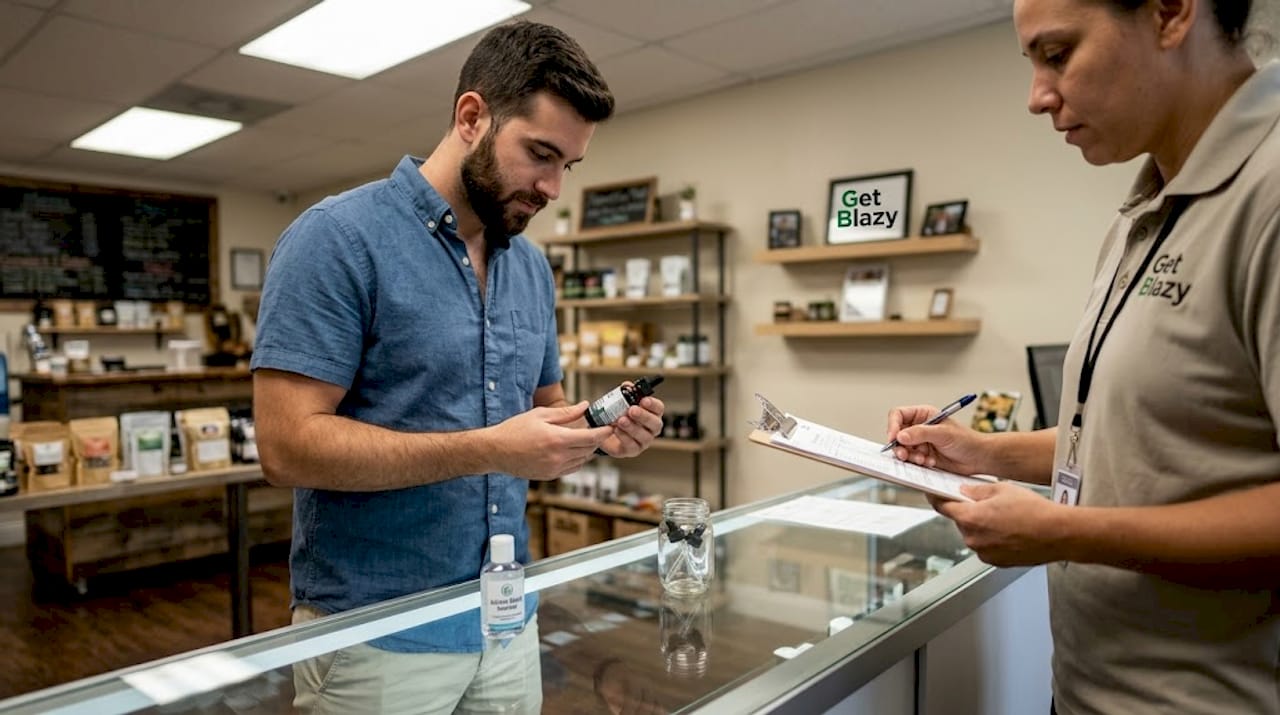
Third-party labs ensure unbiased testing and confirm advertised potency. These are independent laboratories with no financial stake in whether your product passes or fails. That independence is what makes their results meaningful.
Here’s how to locate and use a COA effectively:
- Find the QR code or link on the packaging. Most reputable brands print a scannable code that takes you directly to the lab report for that specific batch.
- Visit the brand’s website. Look for a “Lab Results” or “Transparency” page. If it’s buried or missing entirely, that’s a problem.
- Confirm the testing lab is accredited. Look for ISO 17025 accreditation, which is the international standard for testing laboratories.
- Check the test date. COAs should be recent, ideally within the last 12 months, and tied to the specific batch number on your bottle.
- Review both panels. Confirm the cannabinoid profile matches the label claim, and verify the contaminant panel shows no pesticides, heavy metals, or microbial contaminants above safe limits.
Pro Tip: If the CBD amount on the COA is significantly lower than what’s printed on the label, that’s a major quality issue. A 10% variance is generally acceptable in the industry, but anything beyond that signals a problem with manufacturing consistency.
For Miami consumers, this process matters beyond just quality assurance. Florida’s regulatory environment is evolving, and buying lab-verified products keeps you on the right side of both wellness and compliance. A clean COA is your proof that what you’re taking is exactly what was promised.
Checklist item 3: Potency, flavors, and dosing formats
Finding a safe, tested product is the first half of the equation. The second half is making sure it actually works for you. That comes down to potency, flavor, and how the product is delivered.
Dosage and product format can drastically affect CBD’s effectiveness. A tincture that works beautifully for one person might produce zero results for another, and the difference often isn’t the brand. It’s the milligram strength and how consistently it’s used.
Here’s a quick reference table to match potency to use case:
| Potency | CBD per bottle | Best for |
|---|---|---|
| Low (300mg to 600mg) | 10 to 20mg per serving | First-time users, general wellness |
| Medium (750mg to 1500mg) | 25 to 50mg per serving | Stress relief, sleep support |
| High (2000mg to 3000mg+) | 65mg+ per serving | Chronic discomfort, experienced users |
For flavor, natural options like mint, citrus, and berry work well if you’re taking the tincture sublingually (under the tongue). If the taste bothers you, unflavored tinctures mixed into food or drinks are a great alternative.
Quick reference for Miami lifestyle use cases:
- Morning wellness routine: Low to medium potency, natural citrus or unflavored
- Post-workout recovery: Medium to high potency, unflavored or mint
- Evening wind-down: Medium potency, berry or vanilla flavors
- Targeted symptom support: High potency, work with a healthcare provider on dosing
Dosing droppers are standard in quality tinctures and make measuring easy. Look for graduated markings on the dropper itself so you’re not guessing. Start low, track your response over one to two weeks, and adjust from there.
Checklist item 4: Local sourcing and Miami regulations
Where your CBD tincture comes from and whether it’s legally compliant in Florida isn’t a small detail. It directly affects product freshness, regulatory oversight, and your confidence as a buyer.
Florida law permits hemp-derived CBD products with less than 0.3% THC, in line with federal standards under the 2018 Farm Bill. State laws can affect what types of CBD products are legal, and Miami-Dade County has its own layer of considerations for retail and distribution. Buying from a licensed Miami retailer means you’re working within that framework, not around it.
Here’s a side-by-side look at locally sourced versus out-of-state CBD tinctures:
| Factor | Locally sourced (Miami/Florida) | Out-of-state |
|---|---|---|
| Freshness | Higher, shorter transit time | Variable |
| State regulatory oversight | Direct Florida compliance | Indirect, may vary |
| Sustainability | Lower shipping footprint | Higher carbon impact |
| Retailer accountability | Easier to verify credentials | Harder to trace |
| Local legal compliance | Built into product line | May require extra verification |
The local advantage goes beyond freshness. When a Miami retailer carries a product, they’re accountable to local customers and local law. That accountability creates a natural incentive to stock only what meets Florida’s standards.
Consumer tip: Before buying from any Miami CBD retailer, check whether they display their business license and whether their products come with accessible COAs. A credible local shop will never hesitate to share that information.
Our perspective: What Miami CBD tincture buyers really need to know
Here’s something most CBD content won’t tell you: flashy packaging and Miami-exclusive branding are often distractions, not differentiators. We’ve watched the local market grow and noticed that some brands lean heavily into lifestyle aesthetics while quietly skipping the lab verification step. A beautiful label means nothing if the COA is missing or outdated.
The checklist approach isn’t glamorous. It doesn’t make for great Instagram content. But it works. Buyers who anchor their decisions to testing, transparency, and appropriate potency consistently get better outcomes than those chasing whatever influencer-backed product is trending that week.
The uncomfortable truth is that most people could dramatically improve their CBD experience just by slowing down and doing the checklist work before buying. You don’t need to try dozens of products. You need to find one that meets every criterion and stick with it long enough to assess results. Build your routine around those standards, and let the hype sort itself out.
Where to find vetted CBD tinctures in Miami
Equipped with your checklist, the next step is finding a local partner that meets all your selection criteria.
At Get Blazy CBD Dispensary on Biscayne Blvd, every CBD tincture in our lineup is sourced from reputable manufacturers and lab-tested for purity and potency. We make COAs accessible so you’re never guessing about what’s in the bottle. Whether you shop in-store or order online for fast Miami delivery, you’ll find tinctures across a range of potencies and flavors to match your exact wellness goals. Our team is here to help you apply the checklist in real time and walk out with a product you can trust.
Frequently asked questions
What should I look for on a CBD tincture label in Miami?
Look for a clear ingredient list, specific CBD milligram content, and proper CBD labeling that includes third-party lab results and dosing guidance aligned with Florida regulations.
Why is third-party testing important for CBD tinctures?
Third-party testing confirms that a product’s potency matches its label and screens for harmful contaminants. Unbiased lab results are the gold standard for verifying that what you’re taking is safe and accurately represented.
Is it better to buy locally sourced CBD tinctures in Miami?
Local tinctures are often fresher due to shorter transit times and fall under Florida’s direct regulatory oversight. Florida’s CBD guidelines give Miami retailers clear compliance standards that out-of-state products may not meet as directly.
How do I find the right potency of CBD tincture for my needs?
Start with a lower strength if you’re new to CBD and track your results over one to two weeks before adjusting. Proper dosing enhances effectiveness and helps you avoid taking more than your body actually needs.