
Many people believe CBD topical products are either miracle cures or complete placebos, but the truth sits somewhere between these extremes. The science behind topical cannabidiol reveals a fascinating interaction with your skin’s endocannabinoid system that offers genuine localized relief for specific conditions while showing clear limitations for others. This guide cuts through marketing hype and confusion to explain exactly how CBD topicals work, which benefits research actually supports, and how Miami residents can use these products safely and effectively for skin care and pain management.
Table of Contents
- Understanding How CBD Topical Products Work
- Benefits And Limitations Of CBD Topical Products In Skin Care And Pain Relief
- Choosing And Using CBD Topical Products Safely And Effectively
- Innovations And Future Of Topical CBD Products
- Explore Quality CBD Topical Products At Get Blazy
- Frequently Asked Questions
Key takeaways
| Point | Details |
|---|---|
| Localized relief mechanism | CBD topicals interact with skin receptors in the endocannabinoid system to provide targeted effects without entering your bloodstream. |
| Evidence-based benefits | Research supports CBD’s effectiveness for reducing inflammation and itching in certain skin conditions, plus antioxidant protection. |
| Bioavailability challenge | Traditional formulations face absorption barriers, but emerging nanotechnology solutions significantly improve skin penetration. |
| Smart product selection | Quality varies widely; look for third-party testing, appropriate CBD concentration, and carrier oils suited to your skin type. |
| Realistic expectations | CBD topicals work well for muscle soreness and arthritis but show mixed results for nerve pain and some dermatologic conditions. |
Understanding how CBD topical products work
When you apply CBD cream or balm to your skin, you activate a sophisticated biological system that regulates pain, inflammation, and tissue repair. Unlike ingested CBD that travels through your digestive system and bloodstream, topical applications stay localized at the application site, which explains why you won’t experience psychoactive effects no matter how much you use.
The magic happens through CBD’s interaction with the endocannabinoid system, particularly CB1 and CB2 receptors concentrated in your skin layers. These receptors act as biological switches that CBD can activate or modulate, triggering responses that reduce inflammation signals and alter pain perception in the treated area. Your skin contains its own endocannabinoid system that maintains homeostasis, controlling everything from oil production to immune responses, and CBD plugs directly into this network.
CBD’s effectiveness as a topical agent stems from multiple mechanisms working simultaneously. Beyond receptor activation, CBD demonstrates powerful antioxidant properties that protect skin cells from environmental damage and oxidative stress. Its anti-inflammatory action blocks inflammatory mediators at the cellular level, which explains why many users report reduced redness and swelling after consistent application.
Absorption varies dramatically based on formulation type and your skin’s condition:
- Creams and lotions penetrate faster but may require more frequent application
- Balms and salves create protective barriers while delivering sustained CBD release
- Transdermal patches use advanced technology to drive CBD through skin layers over extended periods
- Massage oils combine carrier lipids that enhance CBD solubility and absorption
Skin permeability determines how much CBD actually reaches the target receptors beneath your skin’s surface. Factors like skin thickness, hydration level, and the presence of cuts or inflammation all affect absorption rates. CBD molecules are naturally lipophilic, meaning they dissolve better in oils than water, which is why quality formulations use specific carrier oils and emulsifiers to optimize penetration.
Pro Tip: Apply CBD topicals immediately after showering when your skin is clean, warm, and slightly damp to maximize absorption through open pores.
Benefits and limitations of CBD topical products in skin care and pain relief
Scientific research reveals a nuanced picture of what CBD topicals can and cannot accomplish for your skin and pain management needs. The evidence shows genuine therapeutic potential in specific applications while highlighting areas where benefits remain unproven or inconsistent.
CBD acts as an antioxidant, photoprotectant, anti-inflammatory, and wound-healing agent according to dermatologic research, making it valuable for protecting skin from UV damage and environmental stressors. Studies document significant reductions in pruritus and inflammatory markers for conditions like eczema and psoriasis, where patients report meaningful improvements in itching intensity and quality of life. The anti-inflammatory effects extend to acne management, where CBD’s ability to regulate sebum production and reduce bacterial inflammation shows promise.
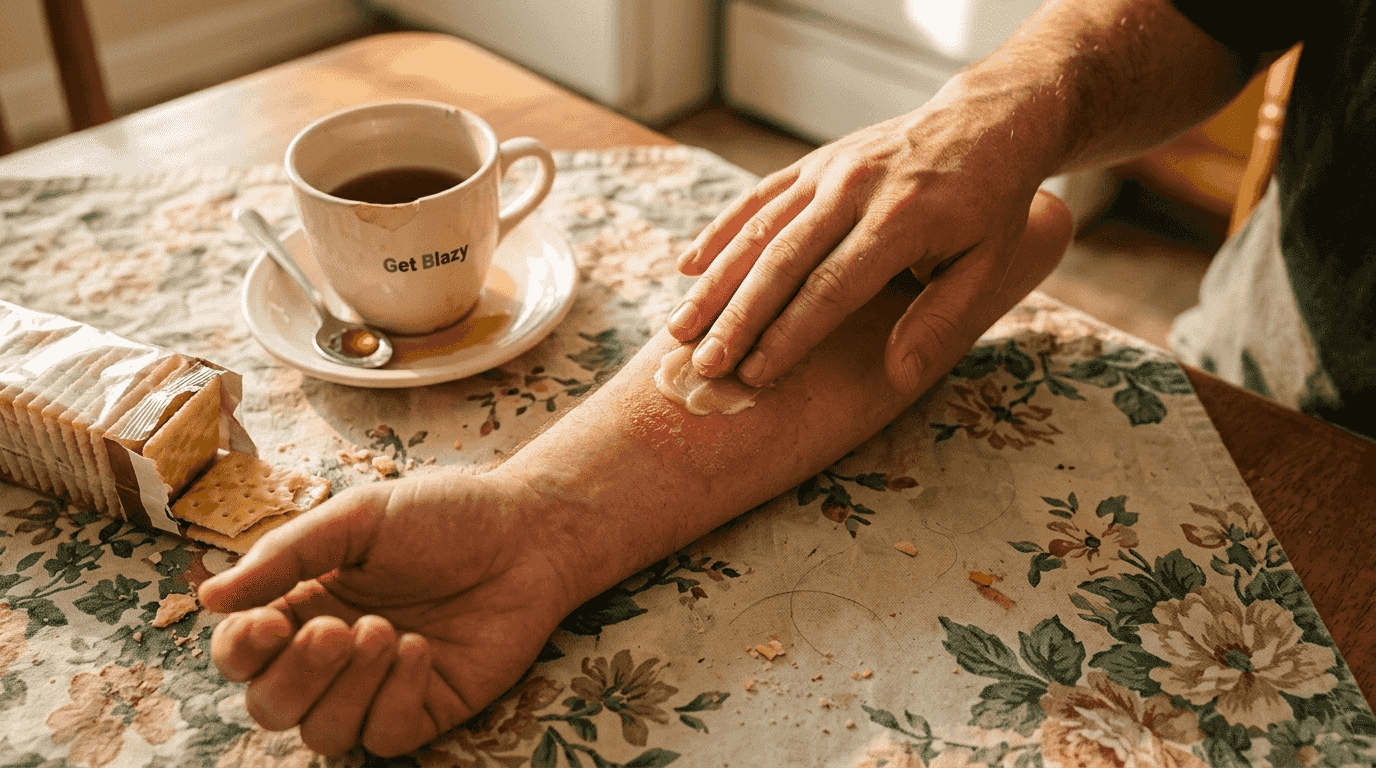
Wound healing represents another validated benefit. CBD promotes faster tissue repair by modulating immune responses at wound sites and encouraging healthy cell proliferation. This makes CBD topicals useful for minor cuts, burns, and surgical recovery when applied according to healthcare provider guidance.
Pain relief effectiveness depends heavily on the underlying condition. Muscle soreness, arthritis, and joint inflammation respond well to topical CBD application, with users reporting decreased pain levels and improved mobility. The localized anti-inflammatory action targets the source of musculoskeletal discomfort without systemic side effects.
However, significant limitations exist that users must understand:
- CBD topical may not improve painful established chemotherapy-induced peripheral neuropathy, suggesting nerve pain requires different therapeutic approaches
- Mixed results appear for skin dryness, with some studies showing improvement while others report no significant change
- Erythema reduction varies by individual, with genetic and environmental factors influencing outcomes
- Overall skin quality of life improvements are modest in many trials, not the dramatic transformations marketing suggests
| Condition Type | Evidence Level | Expected Outcome |
|---|---|---|
| Inflammatory skin conditions | Moderate to strong | Reduced itching and inflammation |
| Muscle soreness | Moderate | Decreased pain and faster recovery |
| Arthritis pain | Moderate | Localized relief and improved mobility |
| Nerve pain | Weak to none | Limited or no benefit |
| Wound healing | Moderate | Faster tissue repair |
| Acne | Emerging | Reduced inflammation and sebum |
The bioavailability challenge remains CBD’s biggest limitation for topical use. Only a small percentage of applied CBD actually penetrates deep enough to reach target receptors, with most remaining in upper skin layers or evaporating. This explains why higher concentrations don’t always produce proportionally better results.
Clinical trial quality varies widely in CBD research, with many studies using small sample sizes or lacking proper controls. More rigorous, large-scale trials are essential before making definitive claims about CBD’s therapeutic potential for specific conditions. Users should approach topical CBD as a complementary wellness tool rather than a replacement for proven medical treatments.
Pro Tip: Choose formulations with enhanced penetration technologies like nanocarriers or liposomal delivery systems to overcome bioavailability barriers and achieve better therapeutic results.
Choosing and using CBD topical products safely and effectively
Navigating the crowded CBD marketplace requires knowledge and careful evaluation to find products that deliver real benefits without unnecessary risks or wasted money. Quality varies dramatically between brands, making informed selection critical for Miami residents seeking reliable relief.
Start with low concentrations of CBD and gradually increase as you assess your body’s response. Beginners should look for products containing 250 to 500 milligrams of CBD per container, which provides enough potency for therapeutic effects without overwhelming your system or your budget. Patch testing is non-negotiable; apply a small amount to your inner forearm and wait 24 hours to check for adverse reactions before using on larger areas or sensitive skin.
Understanding product types helps you match formulations to your specific needs:
- CBD isolate contains pure cannabidiol with no other cannabis compounds, ideal for those wanting to avoid even trace THC
- Broad-spectrum CBD includes multiple beneficial cannabinoids and terpenes but removes THC completely
- Full-spectrum CBD contains all plant compounds including legal THC levels under 0.3%, potentially offering enhanced effects through the entourage phenomenon
Third-party lab testing separates legitimate products from questionable ones. Reputable manufacturers provide certificates of analysis showing exact cannabinoid content, confirming the absence of contaminants like heavy metals, pesticides, and residual solvents. These documents should be readily accessible on company websites or by scanning QR codes on product packaging. Never purchase CBD topicals without verifying independent lab results.
Carrier oils significantly impact both skin compatibility and CBD absorption rates. Common options include:
- Coconut oil provides excellent moisturization but may clog pores on acne-prone skin
- Jojoba oil closely mimics natural skin sebum, making it suitable for most skin types
- Hemp seed oil offers additional omega fatty acids that support skin barrier function
- Shea butter delivers rich hydration ideal for very dry skin or intensive treatment areas
Users should be aware of potential drug interactions and consult healthcare professionals before combining CBD topicals with prescription medications. While topical application minimizes systemic absorption compared to oral CBD, some interaction risk remains, particularly with blood thinners and medications metabolized by liver enzymes. Pregnant and nursing women should avoid CBD products entirely until more safety data becomes available.
Dosing for topical CBD differs from oral consumption. Apply a thin layer to the affected area and massage gently until absorbed, repeating two to three times daily as needed. More product doesn’t necessarily mean better results; consistent application matters more than quantity. Track your usage and symptoms in a journal to identify optimal timing and dosage for your individual needs.
Storage affects product stability and potency. Keep CBD topicals in cool, dark locations away from direct sunlight and heat sources. Most products remain effective for 12 to 18 months when stored properly, but always check expiration dates and discard any items showing color changes, separation, or off odors.
Pro Tip: Apply topicals to clean, dry skin and massage gently in circular motions for 60 to 90 seconds to generate mild heat that opens pores and enhances absorption into deeper tissue layers.
Innovations and future of topical CBD products
The next generation of CBD topicals leverages cutting-edge science to overcome the fundamental bioavailability problem that has limited effectiveness since these products first appeared. Emerging technologies promise to transform how efficiently CBD penetrates your skin and delivers therapeutic benefits.
CBD’s poor skin penetration stems from its molecular structure and lipophilic nature, which create barriers to passing through your skin’s protective layers. Traditional formulations lose most of their CBD content to evaporation or surface-level absorption, never reaching the deeper receptors where therapeutic action occurs. This explains why users often need frequent reapplication and high concentrations to achieve noticeable effects.
Researchers have developed advanced nanodelivery systems to enhance CBD’s absorption, stability, and efficacy through nanotechnology. Nanoemulsions break CBD into microscopic droplets measuring 20 to 200 nanometers, small enough to slip between skin cells and penetrate to target tissues. These formulations also improve product stability, preventing CBD degradation from light and oxygen exposure that reduces potency over time.
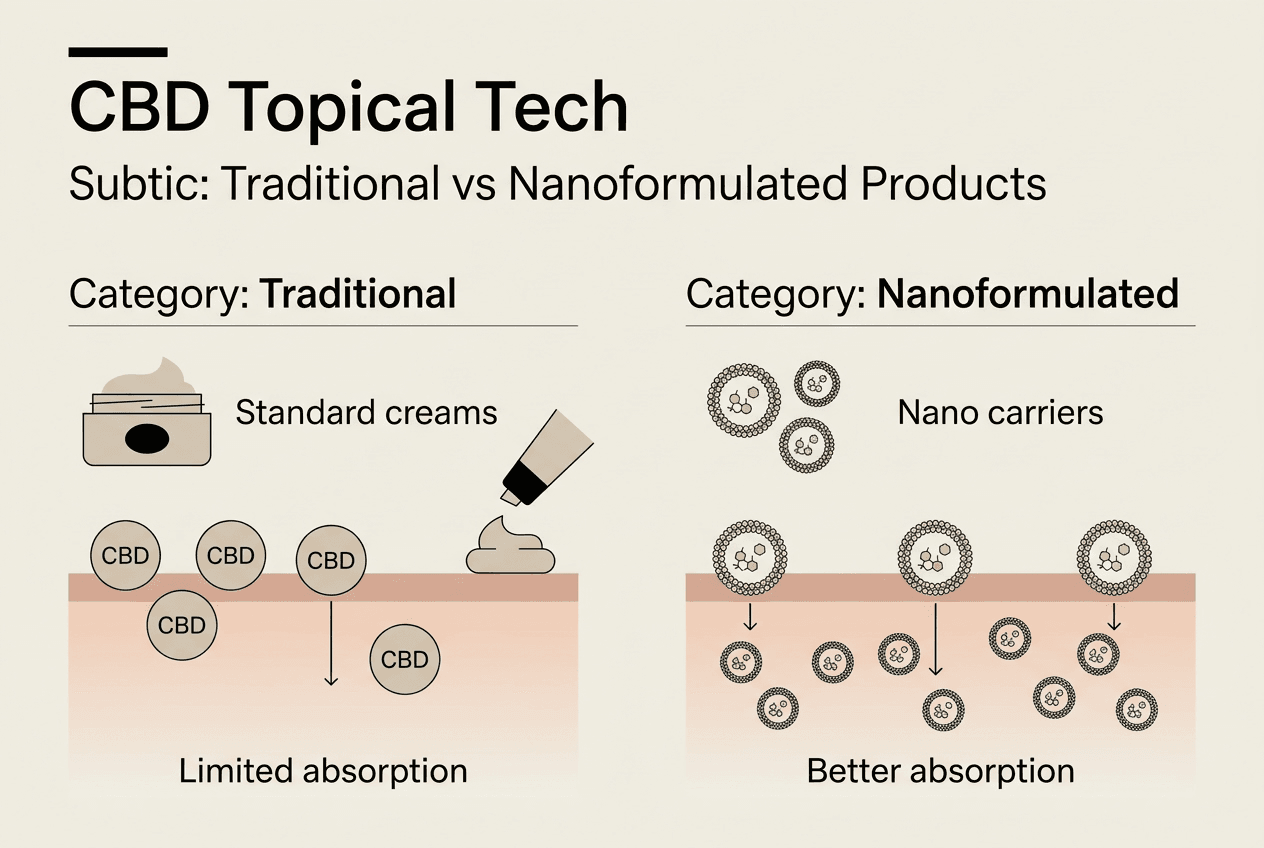
Liposomal encapsulation represents another breakthrough approach. Liposomes are tiny spherical vesicles made from the same phospholipids that comprise your cell membranes, allowing them to fuse directly with skin cells and deliver CBD payload inside. This targeted delivery dramatically increases the percentage of CBD that reaches therapeutic sites while reducing waste.
Hybrid and smart nanocarriers represent next-gen solutions combining multiple technologies for controlled release. These systems can respond to specific triggers like pH changes or temperature variations, releasing CBD gradually over extended periods. Imagine applying a topical once daily that maintains steady therapeutic levels for 12 to 24 hours instead of requiring multiple applications.
Personalized formulations based on genetic markers, skin type analysis, and specific condition profiles will define the future of topical CBD therapeutics. Advanced diagnostic tools can assess your skin’s unique characteristics and recommend customized CBD concentrations, carrier oil blends, and supplementary ingredients optimized for your biology. This precision medicine approach maximizes benefits while minimizing trial and error.
| Feature | Traditional CBD Topicals | Nanoformulated CBD Topicals |
|---|---|---|
| Skin penetration | 5 to 10% absorption | 40 to 60% absorption |
| Application frequency | 3 to 4 times daily | 1 to 2 times daily |
| Onset time | 30 to 60 minutes | 10 to 20 minutes |
| Product stability | Degrades within months | Stable for 18+ months |
| Cost per unit | Lower initial price | Higher upfront, better value |
Emerging research explores combining CBD with other therapeutic compounds in synergistic formulations. Pairing CBD with ingredients like hyaluronic acid for hydration, retinol for anti-aging, or menthol for enhanced cooling sensations creates multi-functional products addressing several concerns simultaneously. These combination therapies may prove more effective than CBD alone for complex skin conditions.
Sustainability concerns are driving innovation in sourcing and production methods. Biotechnology companies are developing lab-grown CBD through fermentation processes that eliminate agricultural inputs and environmental impacts. These sustainable production methods could dramatically reduce costs while ensuring consistent quality and purity.
Regulatory clarity will accelerate innovation as governments establish clear testing standards and labeling requirements. The current regulatory gray area slows research funding and commercial development, but increasing acceptance and standardization will unlock significant investment in next-generation CBD therapeutics.
Explore quality CBD topical products at Get Blazy
Now that you understand the science and potential of CBD topicals, finding reliable products from trusted sources becomes your next step. Get Blazy offers Miami residents convenient access to curated CBD topical solutions backed by third-party testing and quality assurance.
Our selection includes creams, balms, and innovative formulations suitable for beginners exploring CBD benefits and experienced users seeking advanced options. Every product meets strict purity standards and comes from reputable manufacturers committed to transparency and effectiveness. Visit Get Blazy on Biscayne Boulevard or order online for discreet delivery across Miami, bringing premium CBD topicals directly to your door with expert guidance available whenever you need it.
Frequently asked questions
What are the main benefits of topical CBD?
CBD topicals provide localized relief from inflammation, pain, and itching by interacting with receptors in your skin’s endocannabinoid system. They offer antioxidant protection against environmental damage and support wound healing without producing psychoactive effects since CBD stays in the application area rather than entering your bloodstream.
How quickly do CBD topicals work?
Most users notice initial effects within 30 to 60 minutes of application, though advanced nanoformulations can work in 10 to 20 minutes. Full therapeutic benefits often require consistent use over several days or weeks as CBD accumulates in skin tissues and modulates inflammatory pathways.
Can CBD topicals cause side effects?
Side effects are rare and typically mild, including temporary redness, itching, or skin irritation at the application site. Always perform a patch test before widespread use and discontinue if adverse reactions occur. Consult your healthcare provider if you take medications that might interact with CBD.
Do CBD topicals show up on drug tests?
Properly formulated topical CBD products should not cause positive drug tests because CBD doesn’t enter your bloodstream in significant amounts and isn’t a tested substance. However, full-spectrum products containing trace THC could theoretically trigger positive results with extremely sensitive tests, though this remains highly unlikely with topical application.
How do I choose between CBD isolate and full-spectrum topicals?
CBD isolate works well if you want to avoid all other cannabis compounds or need guaranteed zero THC content. Full-spectrum and broad-spectrum products may provide enhanced benefits through the entourage effect, where multiple cannabinoids work synergistically, making them preferable for users seeking maximum therapeutic potential without THC concerns.