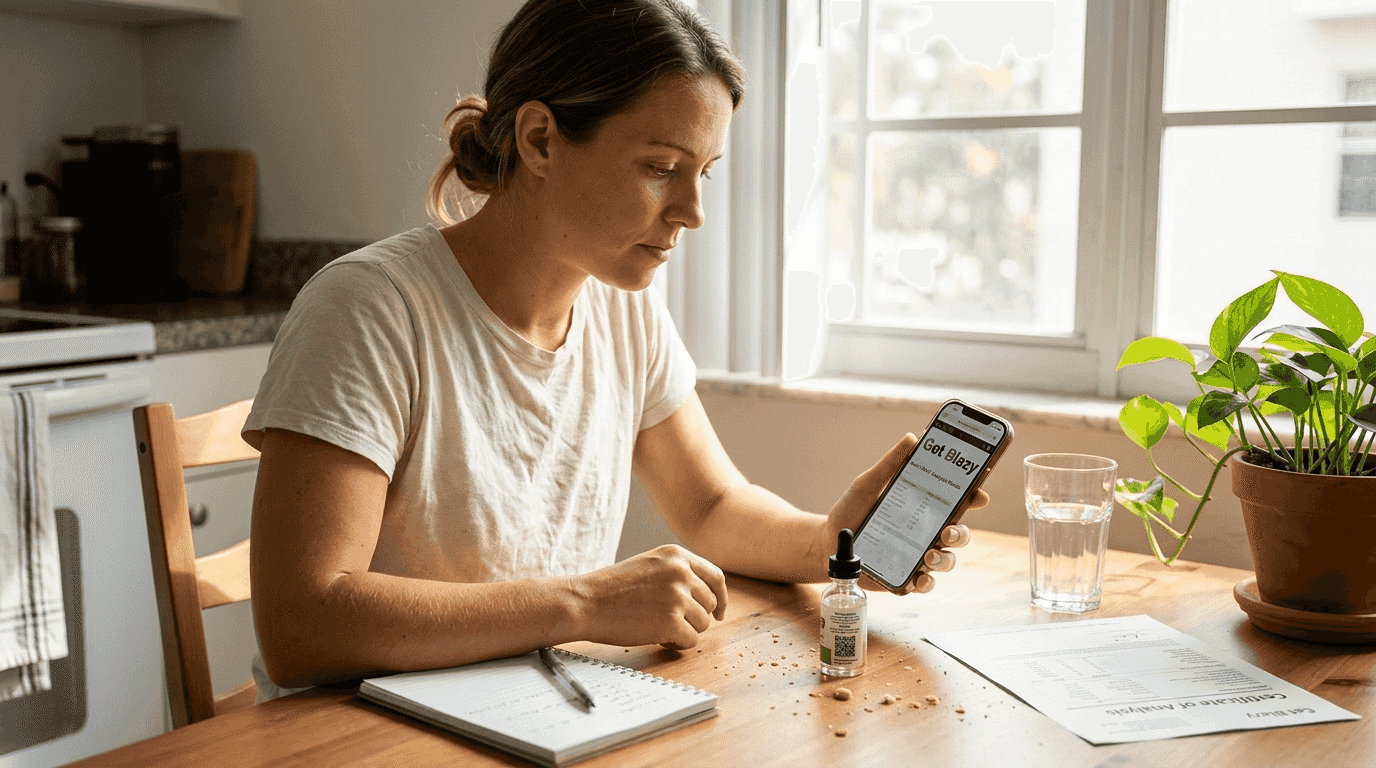
Choosing CBD products without lab testing is a risky gamble many Miami residents unknowingly take. Studies show up to 60% of non-lab-tested CBD products have inaccurate cannabinoid levels or harmful contaminants. Lab testing ensures safety, verifies potency, and guarantees transparency for wellness and relaxation. This article helps you understand why lab testing matters and how to find trusted products in Miami.
Table of Contents
- What Is Lab-Tested CBD And Why Does It Matter?
- How Lab Testing Ensures Safety And Potency For Health-Conscious Users
- Common Misconceptions About Lab-Tested CBD
- How To Read And Verify A CBD Certificate Of Analysis (COA)
- Lab Testing Vs Other Quality Measures: Why Transparency Matters
- Choosing Lab-Tested CBD Products In Miami: Practical Tips
- Explore Trusted Lab-Tested CBD Products With Get Blazy
Key takeaways
| Point | Details |
|——-|———||
| Lab testing confirms cannabinoid content and screens for contaminants | Third-party labs verify potency and detect pesticides, heavy metals, microbes, and solvents for safety. |
| Third-party labs provide unbiased, transparent product verification | Independent testing prevents biased results and builds consumer trust through accessible COAs. |
| Non-lab-tested CBD often contains mislabeled ingredients or unsafe substances | Lack of testing increases risks of ineffective dosing and exposure to harmful contaminants. |
| Knowing how to read Certificates of Analysis helps you buy confidently | Understanding COAs empowers you to verify batch-specific results and spot red flags. |
| Lab testing complements other quality indicators like organic certification | While organic practices reduce risks, only lab testing confirms purity, potency, and legal compliance. |
What is lab-tested CBD and why does it matter?
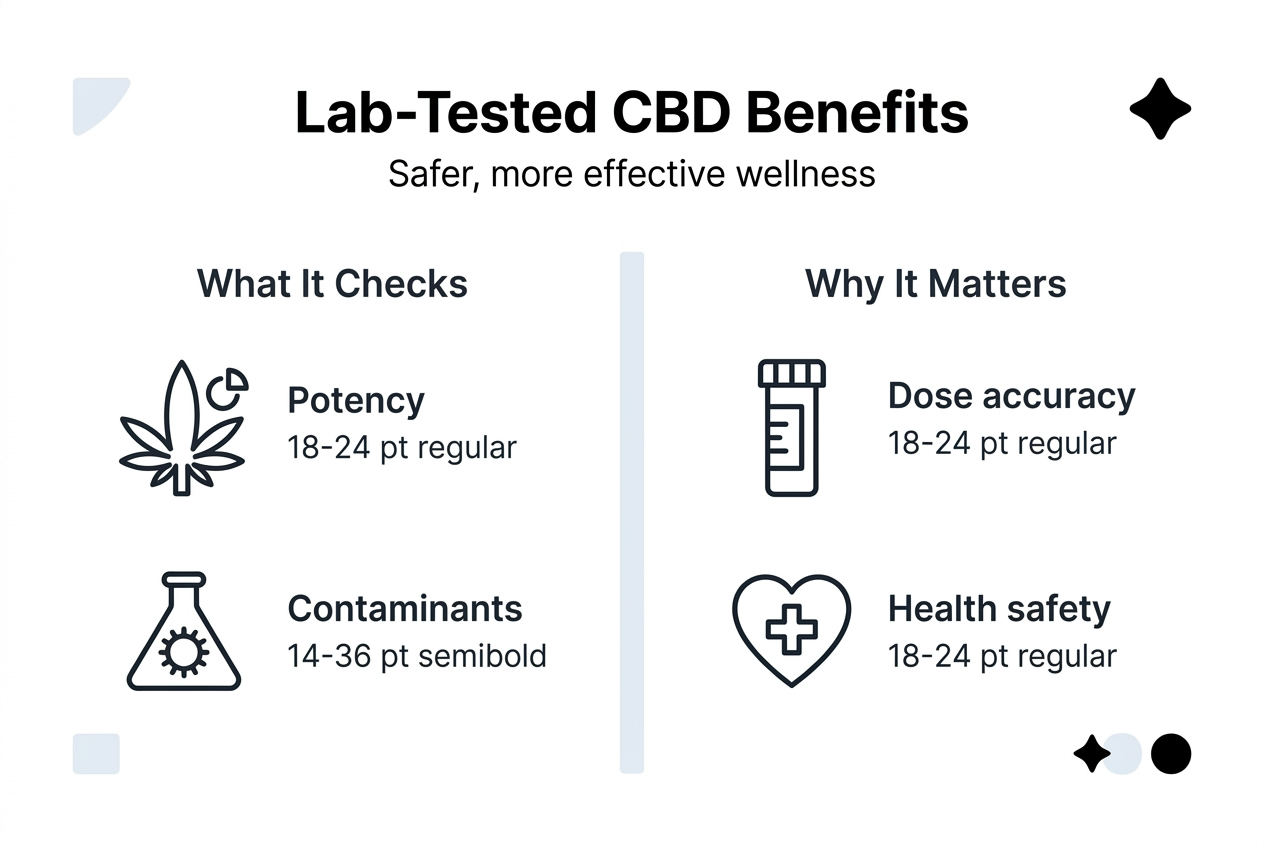
Lab-tested CBD means products undergo independent third-party analysis to verify their cannabinoid profiles and screen for contaminants. This process ensures what’s on the label matches what’s inside the bottle. Lab testing of CBD products confirms cannabinoid content and detects contaminants like heavy metals, pesticides, and microbes, ensuring product safety and label accuracy.
Typical testing panels cover multiple safety and quality factors:
- Cannabinoid profiles to verify CBD and THC content
- Pesticide screening to detect agricultural chemicals
- Heavy metal testing for lead, mercury, arsenic, and cadmium
- Microbial analysis to identify bacteria, mold, and fungi
- Residual solvent detection from extraction processes
- THC level verification to confirm legal limits under 0.3%
Third-party labs operate independently from product manufacturers, providing unbiased analysis free from conflicts of interest. This separation is critical because in-house testing can be influenced by commercial pressures. Independent labs follow standardized protocols and maintain accreditation, guaranteeing reliable, transparent results.
Lab testing guarantees product safety by catching contaminants that could harm your health. It verifies potency so you get accurate dosing for your wellness goals. It ensures legal compliance by confirming THC levels stay within federal limits. For health-conscious Miami residents seeking reliable wellness solutions, choosing lab-tested CBD brands is non-negotiable.
How lab testing ensures safety and potency for health-conscious users
Lab testing protects your health by identifying harmful substances that shouldn’t be in your CBD products. Pesticides from conventional farming can accumulate in hemp plants, causing long-term health issues. Heavy metals like lead and mercury damage your nervous system and organs. Microbes such as E. coli or salmonella cause serious infections. Residual solvents from extraction processes irritate your lungs and skin.
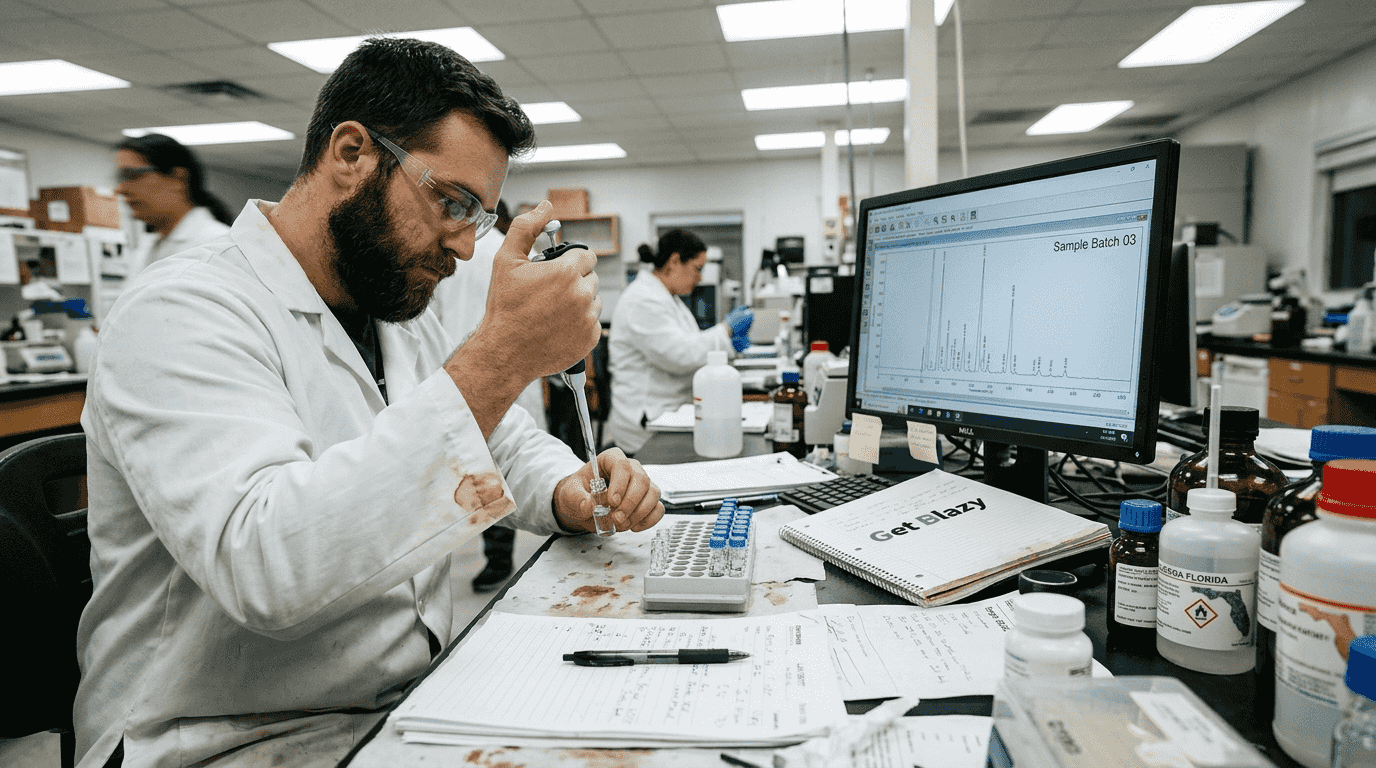
Testing verifies cannabinoid content to confirm potency and accurate dosing. You need to know exactly how much CBD you’re consuming to achieve consistent wellness benefits. Mislabeled products waste your money and fail to deliver therapeutic effects. Full-spectrum and broad-spectrum CBD products show more therapeutic potential when verified by lab testing that confirms cannabinoid profiles and THC limits.
THC content verification ensures legal compliance by confirming levels stay below the 0.3% federal limit. Exceeding this threshold creates legal risks and unwanted psychoactive effects. For Miami residents who want relaxation without impairment, verified THC levels provide peace of mind.
Contaminants reduce product effectiveness beyond just safety concerns:
- Heavy metals interfere with CBD absorption and metabolism
- Pesticide residues can trigger allergic reactions and inflammation
- Microbial contamination compromises product stability and shelf life
- Residual solvents alter cannabinoid bioavailability
Pro Tip: Always prioritize products with batch-specific test results showing full contaminant screens for safety assurance. Generic testing claims without accessible reports are red flags. Look for full-spectrum CBD products that provide QR codes linking directly to current batch COAs.
Common misconceptions about lab-tested CBD
Consumers often hold inaccurate beliefs about CBD testing that lead to poor purchasing decisions. Understanding these myths helps you make informed choices.
-
All CBD products are lab-tested equally. Many brands skip third-party verification entirely or test only select batches. In-house testing lacks the independence and rigor of certified third-party labs. Some companies display outdated or generic test results that don’t match current inventory. Always verify that products have recent, batch-specific COAs from accredited independent labs.
-
Organic certification alone ensures safety. Organic farming practices reduce pesticide exposure but don’t eliminate all contamination risks. Heavy metals can naturally occur in soil regardless of farming methods. Microbes and fungi can develop during processing and storage. Lab testing remains necessary to confirm purity and potency even for organically grown hemp.
-
Lab test results are always easy to find or interpret without guidance. Many brands bury COAs deep in their websites or require customer service requests. Test reports use technical terminology and numeric data that confuse average consumers. Cannabinoid percentages, detection limits, and pass/fail criteria require baseline knowledge to understand. Without proper education, you might overlook critical safety information or misinterpret potency claims.
Consumers often misread labels or trust brands without accessible Certificates of Analysis. Marketing claims like “premium quality” or “pure CBD” mean nothing without transparent lab verification. Flashy packaging and celebrity endorsements don’t guarantee product safety. The only reliable way to verify quality is through independent third-party testing with publicly accessible results.
How to read and verify a CBD Certificate of Analysis (COA)
Certificates of Analysis contain critical information that protects your health and wallet. Learning to read these documents empowers you to make confident purchasing decisions.
COAs include several essential components. Cannabinoid profiles show exact amounts of CBD, THC, CBG, and other compounds. Contaminant screenings detect heavy metals like lead, mercury, arsenic, and cadmium. Pesticide panels identify agricultural chemicals. Microbial testing reveals bacteria, yeast, and mold. Residual solvent analysis catches extraction byproducts. A Certificate of Analysis (COA) from an independent third-party lab is the gold standard for verifying CBD product quality, showing detailed test results that must match labeling.
Verify the COA matches your product batch by comparing batch numbers and production dates. Check that test dates are recent, ideally within the past few months. Older results may not reflect current product quality due to degradation or formulation changes.
Use QR codes or brand websites to access real-time, batch-specific lab results:
- Scan QR codes on product packaging with your smartphone
- Visit manufacturer websites and search by batch number
- Request COAs directly from customer service if not readily available
- Cross-reference multiple sources to confirm authenticity
Red flags indicate unreliable or incomplete testing. Missing contaminant data suggests incomplete safety screening. Inconsistent potency between label claims and test results signals quality control problems. Unverifiable reports without lab contact information or accreditation may be fabricated. Results showing “below detection limit” for all contaminants without specific numeric values lack transparency.
| COA Component | What to Look For | Why It Matters |
|---|---|---|
| Cannabinoid Profile | CBD % matches label, THC under 0.3% | Ensures accurate dosing and legal compliance |
| Heavy Metals | All metals below safety limits (measured in ppm) | Prevents toxic exposure and organ damage |
| Pesticides | No detected pesticides or levels below EPA limits | Protects against chemical exposure and health risks |
| Microbes | Absence of harmful bacteria, yeast, and mold | Prevents infections and product contamination |
| Residual Solvents | Ethanol, butane, hexane below safety thresholds | Avoids respiratory irritation and toxicity |
Pro Tip: Learn basic COA reading to avoid confusing jargon and recognize credible tests. Focus on pass/fail status for each category first, then examine specific values. Familiarize yourself with common units like milligrams per gram (mg/g) for cannabinoids and parts per million (ppm) for contaminants. Understanding CBD Certificates of Analysis transforms you from a passive consumer into an informed advocate for your wellness.
Lab testing vs other quality measures: why transparency matters
Lab testing occupies a unique position among quality assurance methods for CBD products. While other indicators provide valuable information, none match the comprehensive verification that third-party testing delivers.
Organic certifications signal that hemp was grown without synthetic pesticides or fertilizers, reducing contamination risks. CO2 extraction methods avoid harsh solvents that leave toxic residues. CBD products sourced from organically grown hemp and extracted with CO2 methods present fewer toxin risks, but lab testing is still necessary to confirm purity and potency. These practices create a foundation for quality but don’t eliminate all potential hazards.
Lab testing offers batch-specific, full-panel verification unmatched by generic quality claims. Organic certification tells you about farming inputs but says nothing about final product contamination. Extraction method indicates process safety but doesn’t confirm cannabinoid accuracy. Only independent lab testing analyzes the finished product you actually consume, catching problems that occur during processing, storage, or packaging.
Transparency via QR-coded COAs builds trust and allows consumers to validate product safety independently. You shouldn’t have to take a brand’s word about quality. Accessible lab results let you verify claims yourself, creating accountability. Brands willing to display current, batch-specific testing demonstrate confidence in their products. Those hiding or obscuring test results signal potential quality issues.
| Quality Measure | Scope of Verification | Independent Validation | Consumer Trust |
|---|---|---|---|
| Lab Testing | Full-panel analysis: cannabinoids, contaminants, compliance | Third-party labs with accreditation | High – direct product verification |
| Organic Certification | Farming practices and agricultural inputs only | USDA or certifying body | Medium – process indicator, not product test |
| Extraction Method | Processing technique and solvent safety | Self-reported by manufacturer | Low – no independent verification |
Comparing these approaches highlights why lab testing remains irreplaceable. Organic certification and quality extraction create favorable conditions, but lab testing provides proof. The CBD product quality comparison shows that top-tier brands combine all three: organic sourcing, clean extraction, and rigorous third-party testing. For Miami consumers seeking reliable wellness products, this combination delivers maximum confidence.
Choosing lab-tested CBD products in Miami: practical tips
Miami’s CBD market offers numerous options, making informed selection critical for your wellness goals. These practical strategies help you identify trustworthy lab-tested products.
Always check that third-party lab results and COAs are accessible before buying. Reputable brands display QR codes on packaging or provide direct links on product pages. If you can’t find lab results within 30 seconds of looking, consider it a warning sign. Contact customer service to request COAs before purchasing, and avoid brands that make this process difficult.
Verify the product batch matches the COA and confirm the report’s date:
- Compare batch numbers on product labels with COA batch identifiers
- Check that test dates fall within the past 3-6 months
- Ensure the product type and formulation match the tested sample
- Look for multiple test dates indicating consistent quality monitoring
Purchase from reputable Miami dispensaries known for transparency, such as Get Blazy. Local stores with established reputations stake their business on product quality. They curate selections from manufacturers with proven testing records. In-person shopping lets you ask questions and examine COAs before buying.
Select product types aligned with your goals. Broad-spectrum CBD provides daily wellness support with multiple cannabinoids but zero THC, ideal for those who want therapeutic benefits without any psychoactive compounds. Full-spectrum products include trace THC (under 0.3%) for enhanced therapeutic relief through the entourage effect, better for managing specific health concerns.
Pro Tip: Use product QR codes to scan lab results instantly and cross-check online. This real-time verification ensures you’re seeing current data, not outdated reports. Compare the scanned COA with information on the brand’s website to confirm consistency. Mismatches indicate potential quality control issues or fraudulent documentation.
Explore trusted lab-tested CBD products with Get Blazy
Now that you understand how to identify quality lab-tested CBD, finding reliable products in Miami becomes simple. Get Blazy offers a curated selection of lab-tested CBD products with accessible Certificates of Analysis, taking the guesswork out of safe purchasing. Every item comes from reputable manufacturers committed to third-party verification and transparency.
Buy from trusted local dispensaries through the Get Blazy marketplace for verified safety and potency. Our selection includes CBD tinctures, gummies, vape products, oils, and topical solutions designed to support relaxation, balance, and everyday wellness. Each product listing provides direct access to current lab reports, so you can verify quality before adding to your cart. Enjoy a streamlined online experience tailored to Miami residents seeking wellness solutions, with fast and discreet delivery across the city. Visit Get Blazy for reliable hemp-derived products, knowledgeable service, and the peace of mind that comes from choosing lab-verified CBD.
FAQ
What does lab-tested CBD mean?
Lab-tested CBD undergoes third-party verification to confirm cannabinoid content and absence of harmful substances. Independent labs analyze products for potency, contaminants, and legal compliance. This process differentiates it from products without independent testing, providing consumers with transparent quality assurance.
How can I verify the authenticity of a CBD product’s lab test results?
Check the Certificate of Analysis for batch matching and test date to ensure it corresponds to your specific product. Use QR codes or manufacturer websites to access full lab reports directly from the testing facility. Buy only from sellers who readily provide lab test access, as reputable brands make COAs easily available to consumers.
Why are third-party labs preferred over in-house testing?
Third-party labs operate independently to avoid biased results that could favor manufacturers. They follow standardized protocols and maintain accreditation through regulatory bodies. In-house tests may lack transparency and reliability since companies have financial incentives to present favorable results, making independent verification essential for consumer trust.
Do organic certificates replace the need for lab testing?
Organic certification indicates farming practices but doesn’t guarantee absence of contaminants that develop during processing or storage. Lab testing confirms purity, potency, and legal compliance by analyzing the finished product. While organic growing reduces certain risks, only lab testing verifies what’s actually in the bottle you purchase.
What risks exist if I choose non-lab-tested CBD products?
Non-lab-tested CBD may have mislabeled cannabinoid levels causing ineffective dosing and wasted money on products that don’t deliver promised benefits. Presence of contaminants like heavy metals or pesticides can harm health through toxic exposure. Absence of lab testing increases risk of purchasing unsafe or illegal products, as studies show up to 60% of non-lab-tested CBD had inaccurate CBD or THC levels or harmful additives. The risks of non-lab-tested CBD include both immediate health hazards and long-term wellness consequences.